How Long Do Human Bones Last in a Grave Before Decomposing?
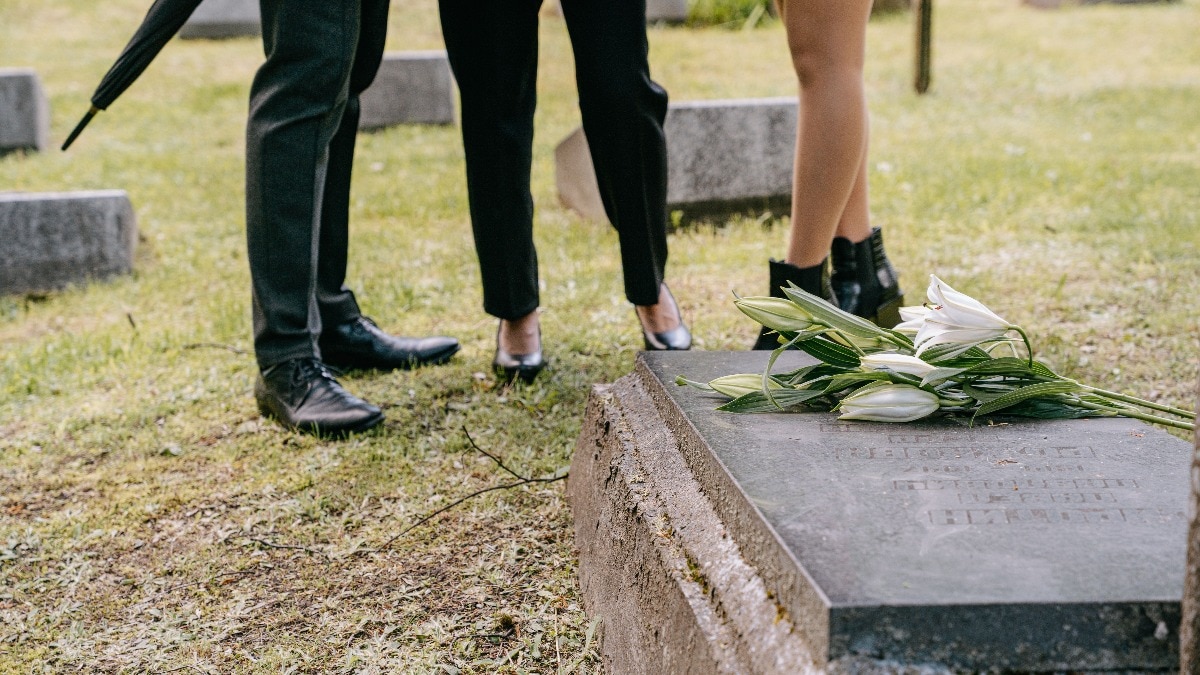
The question of how long human bones remain in a grave before decomposing into dust is a curious one, prompting reflection on the persistence of our physical existence after death. When a person is buried, their body undergoes a natural decomposition process. The rate at which bones break down and return to the earth is influenced by various environmental factors.
These factors include the type of soil, the climate, and the presence of microorganisms. In some conditions, decomposition can be relatively rapid, while in others, bones may persist for much longer periods. Ultimately, the human skeleton transforms into soil over time, its duration dependent on the specific burial circumstances.
The decomposition rate of human remains is a complex interplay of biological and environmental factors, rather than a fixed timeline. Soil composition, moisture levels, temperature, and microbial activity significantly influence the rate at which bones break down. Understanding these variables is crucial for forensic science and archaeology. From a systemic perspective, the eventual return of organic matter to the earth highlights natural cycles of decay and renewal, a process accelerated or decelerated by human burial practices and environmental conditions. Future considerations may involve how climate change impacts these natural decomposition rates and the implications for historical and forensic investigations.
AI-generated to prompt reflection — not editorial opinion, not advice, not a statement of fact. How this works.