How Long Will Newly Elected MLAs in Indian Bypolls Serve?
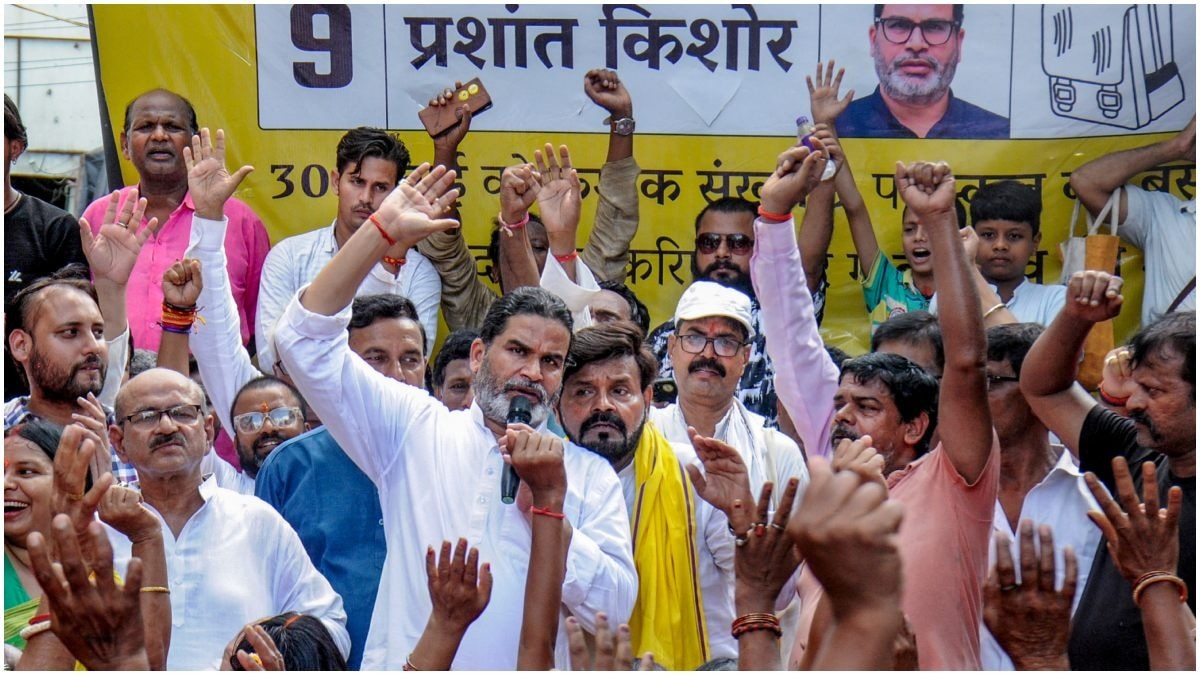
The counting of votes for the by-elections in the Bankipur and Datia assembly constituencies is currently underway. This situation prompts an examination of the typical tenure for candidates who win these by-elections. Historically, MLAs elected through by-elections serve for the remainder of the legislative assembly's term. This means their term is contingent upon the original term of the dissolved or vacated seat. If a vacancy occurs early in an assembly's term, the newly elected MLA could potentially serve for a longer period, up to the full five-year term. Conversely, if the vacancy happens towards the end of the assembly's term, their tenure might be significantly shorter, possibly lasting only a few months or even less than a year. The specific duration is determined by the timing of the vacancy that necessitated the by-election. Therefore, the length of service for an MLA elected in a by-election is not fixed but depends on the remaining term of the legislative assembly.
The electoral process in India, particularly concerning by-elections, highlights the dynamic nature of legislative representation. The duration of an MLA's term after winning a by-election is intrinsically linked to the remaining term of the legislative assembly. This system ensures continuity but also means that representation can be transient, influenced by the timing of vacancies. From a governance perspective, frequent by-elections can strain state resources and potentially lead to policy instability if significant numbers of seats change hands. The electorate's mandate in a by-election is for the remainder of the term, a factor that shapes voter expectations and the elected representative's strategic focus. Understanding these temporal dynamics is crucial for assessing the efficacy and stability of legislative bodies in the Indian democratic framework.
AI-generated to prompt reflection — not editorial opinion, not advice, not a statement of fact. How this works.
