How Macron's 2017 Presidential Win Disrupted French Politics
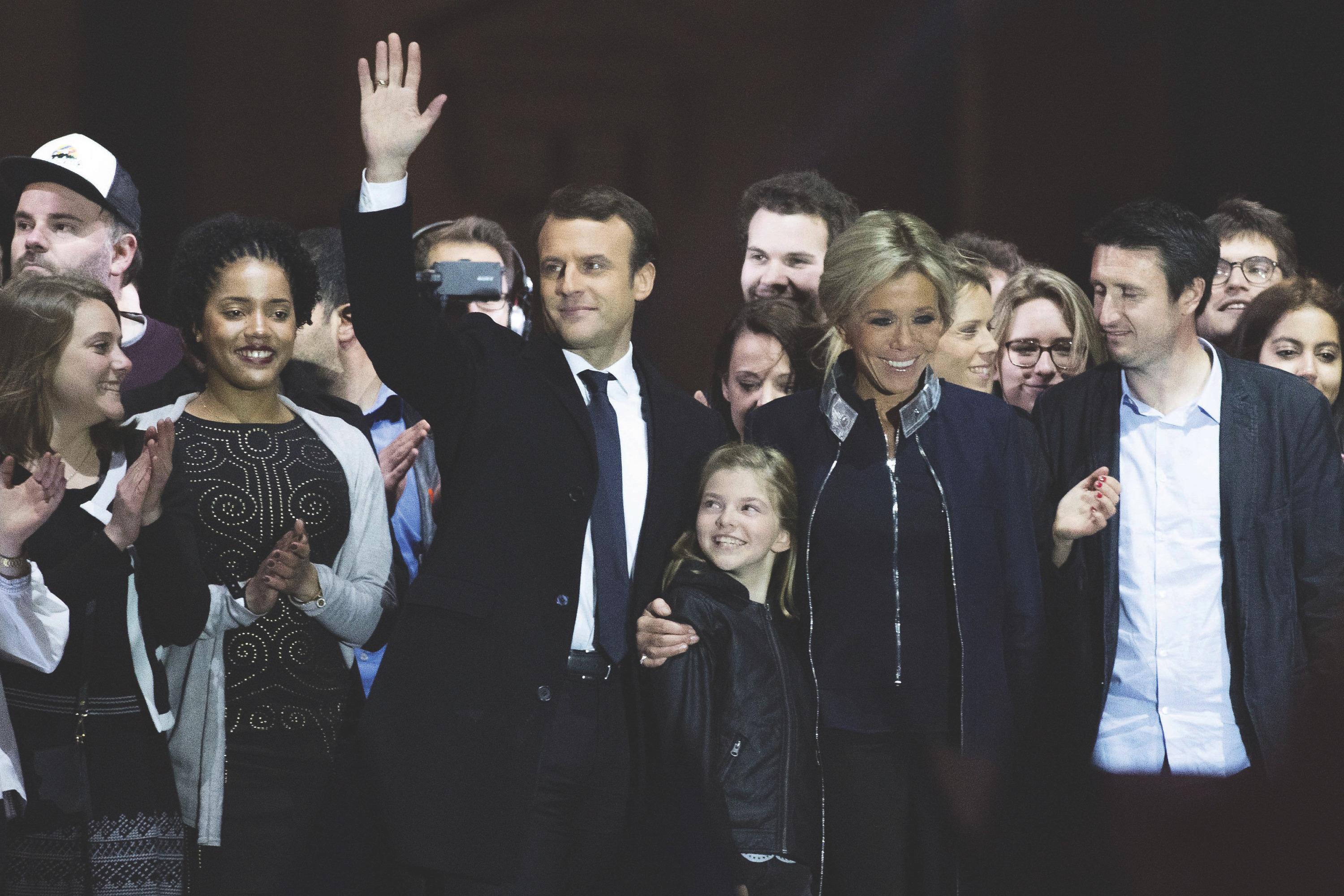
In 2017, Emmanuel Macron achieved a surprising victory in the French presidential election, capitalizing on widespread disillusionment with traditional political parties. His campaign benefited from a public desire for renewal and a significant shift away from established governmental structures. This unexpected surge disrupted a political landscape that polls had suggested was already decided. Macron's success demonstrated the potential for a political outsider to gain traction by appealing to voters seeking change and a departure from the status quo. The event highlighted the volatility of public opinion and the capacity for unforeseen circumstances to alter election outcomes, even when polls indicate a clear frontrunner. His supporters were notably devoted, indicating a strong personal connection and belief in his vision for France.
The 2017 French presidential election illustrates how a candidate can leverage systemic political fatigue and a public appetite for novelty to disrupt established party dynamics. Macron's success suggests that voter dissatisfaction with traditional governance models can create openings for new political forces, irrespective of pre-election polling. This phenomenon underscores the importance of adaptability and responsiveness to evolving public sentiment in electoral strategies. Looking ahead, such disruptions may become more common as digital platforms accelerate the dissemination of alternative narratives and mobilize voter bases outside traditional party structures, potentially leading to continued volatility in established political systems.
AI-generated to prompt reflection — not editorial opinion, not advice, not a statement of fact. How this works.