How Many Atoms Does It Take to Store a Movie on a Hard Drive?
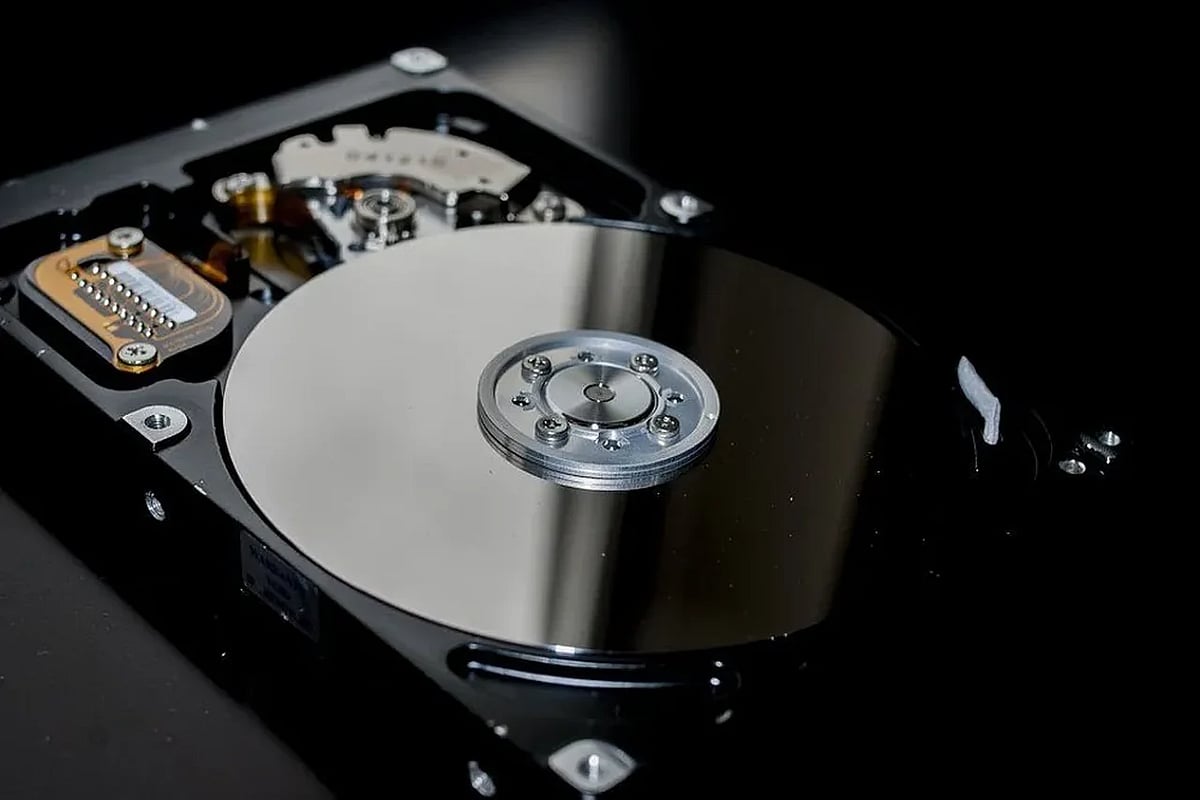
The transition from physical film reels and video cassettes to digital movie storage has rendered the concept of media as tangible objects obsolete for many. Modern storage solutions, like computer hard drives, allow for the storage of hundreds of movies without any discernible increase in device weight. However, every movie is fundamentally information, and this information must be stored through physical changes in a medium to be displayed.
Storing a movie on paper, for instance, would require altering the color of the paper to represent data, a process that would necessitate an enormous quantity of paper. Early cinema relied on a sequence of physical images, with silent films displaying around 16 to 24 frames per second. To simulate motion convincingly, modern displays require approximately 30 A4-sized images per second. If a movie were stored on paper, a two-hour film would require over 216,000 sheets, weighing more than a ton and containing approximately 10^29 atoms.
Modern digital storage technologies, such as hard disk drives (HDDs), drastically reduce this requirement. HDDs store information by altering the magnetic orientation of tiny particles on a magnetic film. Each particle, about 10 nanometers wide, represents a bit of data (either a 0 or a 1). A 2-gigabyte movie, equivalent to 16 billion bits, requires approximately 1.6 x 10^16 atoms to store. This number, while vast, is minuscule compared to the atoms in a single drop of water, which contains about 5 x 10^21 atoms. This efficiency is the 'magic' of modern technology, enabling the storage and transfer of massive amounts of data with negligible physical impact.
The article effectively demystifies the physical basis of digital data storage, highlighting the immense difference in material requirements between analog and digital formats. By comparing the atomic footprint of a digital movie to the physical space and mass needed for its analog equivalent, it illustrates the profound impact of technological advancement. This comparison underscores how digital systems, by encoding information in binary states (0s and 1s) through manipulated magnetic orientations or other physical phenomena, achieve extraordinary data density. The analysis prompts reflection on the ongoing evolution of storage technologies and their implications for resource consumption and environmental impact as data demands continue to grow exponentially in the coming decades.
AI-generated to prompt reflection — not editorial opinion, not advice, not a statement of fact. How this works.