How Much Oil Do Fried Foods Absorb on Tissue Paper?
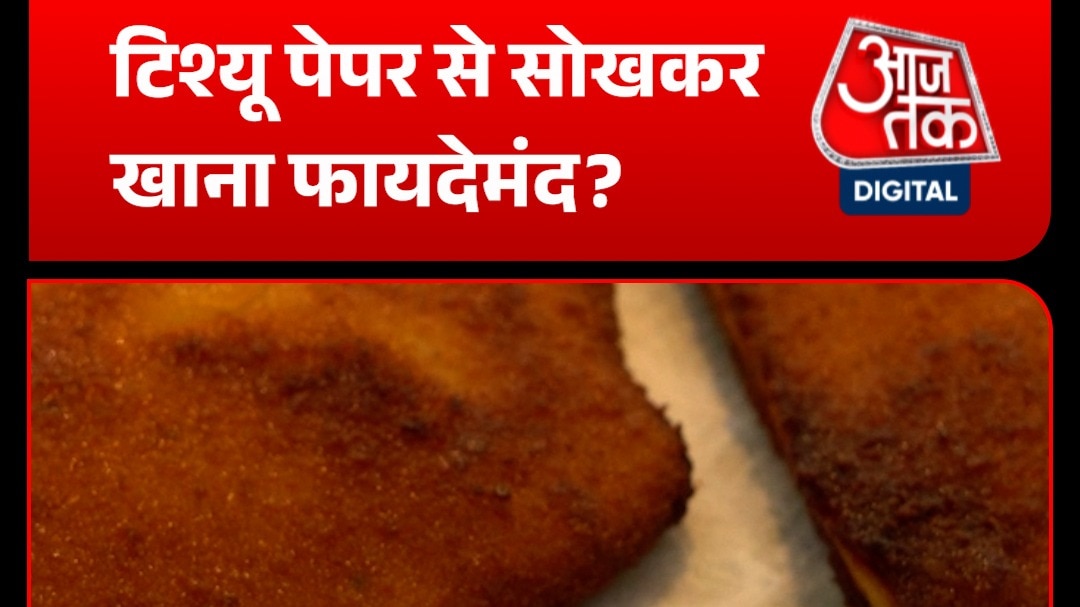
A common practice in India involves wiping fried snacks like samosas, kachoris, and bread pakoras with tissue paper to reduce their oil content. This method raises questions about its effectiveness in actually removing oil and whether it contributes to a healthier way of consuming these popular street foods. Medical research and expert opinions from doctors are being consulted to understand the extent of oil absorption by tissue paper. The discussion aims to clarify how much oil is actually removed and if this technique is a beneficial dietary practice. Additionally, important considerations and precautions related to this method are being highlighted. A video presentation features doctors discussing their perspectives on the health implications of this oil-wiping technique.
The practice of wiping fried foods with tissue paper is a popular attempt by consumers to mitigate perceived health risks associated with high oil content. While this method might superficially reduce visible grease, its actual impact on the total caloric and fat intake is likely minimal, as significant amounts of oil are absorbed within the food's structure during frying. From a public health perspective, encouraging such superficial remedies distracts from more fundamental dietary changes, such as reducing consumption of fried items or opting for healthier cooking methods. Future food technologies and culinary education could focus on developing inherently less oily preparations or providing clearer, evidence-based guidance on the true health benefits and limitations of such consumer-driven mitigation strategies.
AI-generated to prompt reflection — not editorial opinion, not advice, not a statement of fact. How this works.