How Rain is Measured and What Heavy Rain Means: Answering 8 Questions
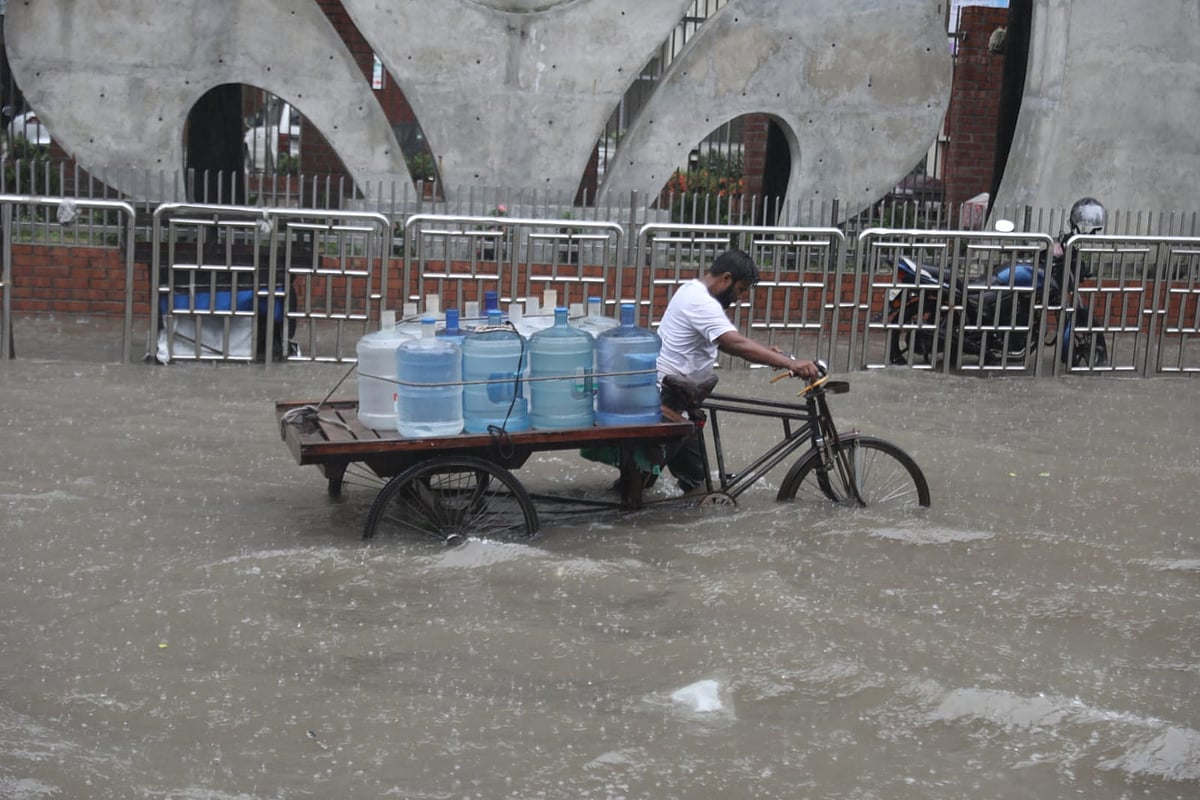
Bangladesh Meteorological Department observation centers utilize rain gauges to regularly measure precipitation. These instruments are crucial for understanding rainfall patterns and intensity across the country. The department's data helps in forecasting weather events and issuing necessary warnings to the public. Understanding the nuances of rain measurement is vital for agriculture, disaster management, and water resource planning. The article aims to clarify common questions regarding rainfall, providing insights into the scientific methods employed by the meteorological office. By explaining the definition of heavy rain and the process of its measurement, the public can better interpret weather reports. This information empowers citizens to take appropriate precautions during adverse weather conditions. Ultimately, accurate rain measurement contributes to national resilience against climate-related challenges.
The measurement of rainfall is a fundamental aspect of meteorological science, providing critical data for a wide range of applications from agriculture to urban planning and disaster preparedness. Standardized instruments like rain gauges ensure consistency and accuracy in data collection, enabling reliable weather forecasting and climate analysis. Understanding the thresholds for 'heavy rain' is essential for issuing timely warnings, which can mitigate risks associated with flooding and landslides. This process highlights the importance of robust public infrastructure and scientific institutions in safeguarding communities against environmental hazards. Future advancements may involve integrating real-time satellite data with ground-based measurements for even more precise and widespread monitoring, enhancing predictive capabilities in an era of increasing climate variability.
AI-generated to prompt reflection — not editorial opinion, not advice, not a statement of fact. How this works.