How Roads Can Be Made Heat-Resistant
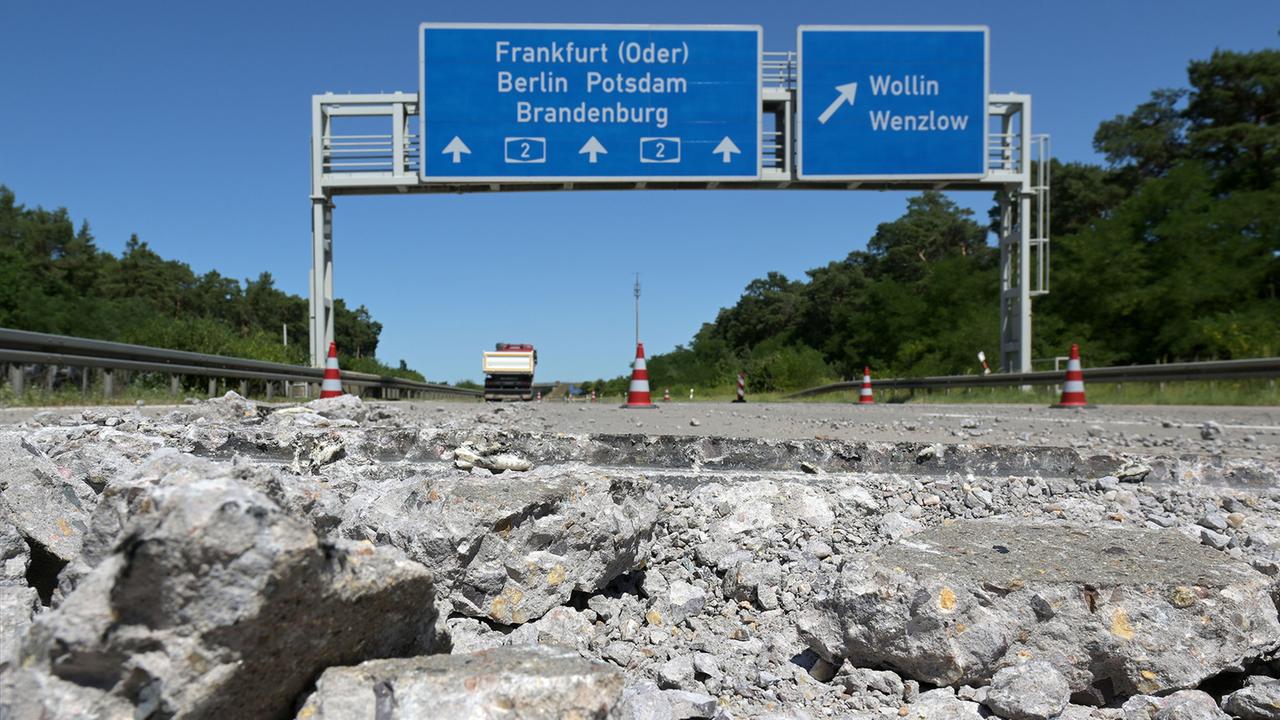
Extreme temperatures in late June caused significant damage to many roads. However, asphalt exists that can withstand such stress. This heat-resistant asphalt is rarely used, not solely due to higher costs. The article, by Jan Kerckhoff, explores the reasons behind its limited deployment.
The limited adoption of heat-resistant asphalt despite its proven ability to withstand extreme temperatures highlights a common challenge in infrastructure development: the tension between immediate cost savings and long-term resilience. While initial material costs might be higher, the expense of repairing heat-damaged roads, including disruption to traffic and potential safety hazards, represents a significant, often underestimated, recurring expenditure. This situation suggests that current procurement and investment frameworks may not adequately incentivize the adoption of more durable, climate-resilient materials. Future infrastructure planning will need to incorporate a more comprehensive lifecycle cost analysis, factoring in the escalating impacts of climate change, to ensure public investments deliver sustainable value and safety.
AI-generated to prompt reflection — not editorial opinion, not advice, not a statement of fact. How this works.