How Scantron Machines Work: From Bubbles to Scores
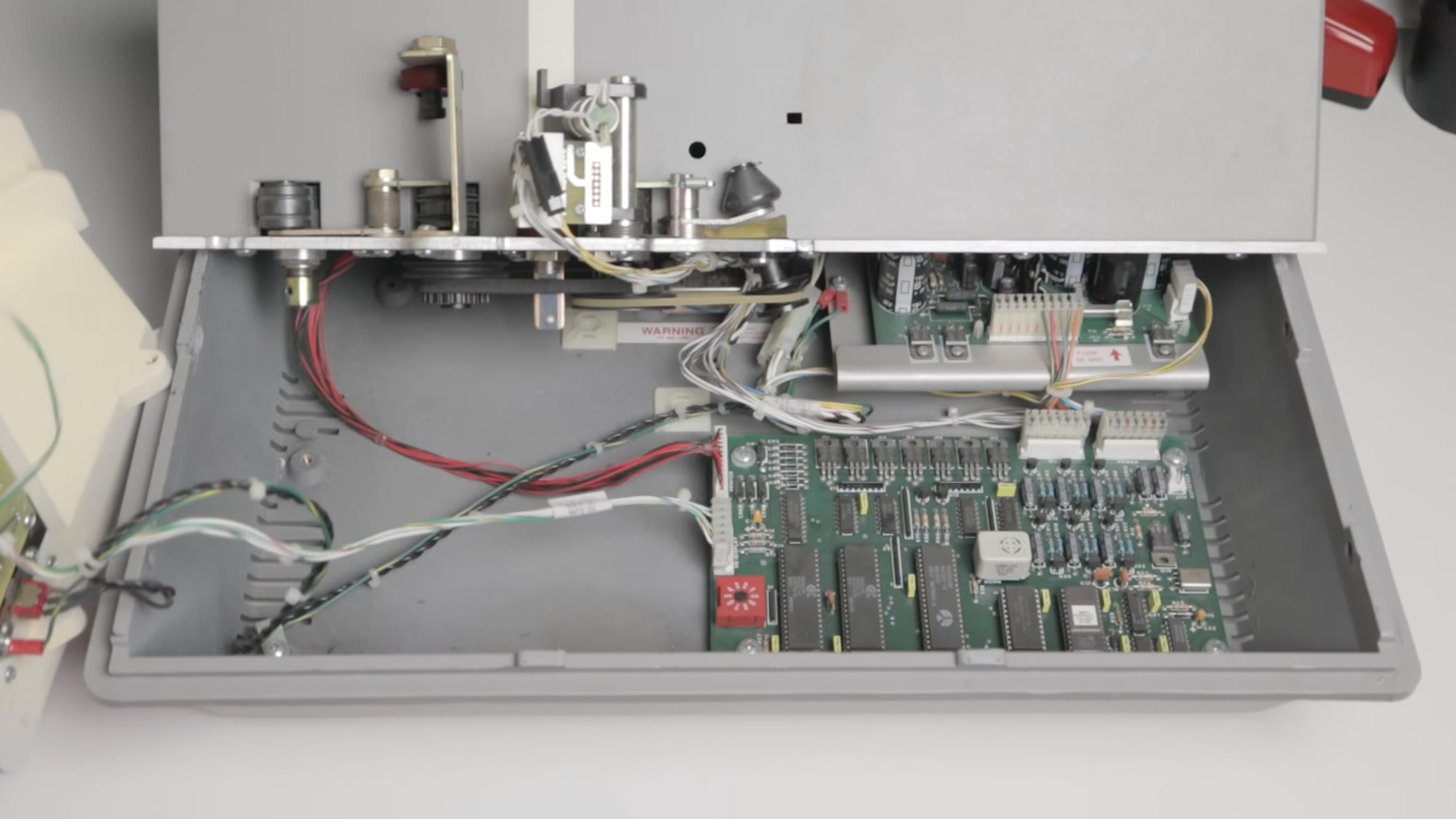
The Scantron machine, a familiar sight from school test days, processes answers marked on special sheets. These sheets feature rows of bubbles representing multiple-choice options, typically labeled A through E. Students would fill in these bubbles with a pencil, and the machine would then read these marks. The core technology behind the Scantron relies on its ability to detect the difference between a marked bubble and an unmarked one. This is achieved through optical scanning, where the machine shines a light onto the answer sheet. The dark graphite from the pencil absorbs the light, while the white paper reflects it. Sensors within the Scantron machine measure the amount of reflected light. Areas where bubbles are filled in will reflect less light than the surrounding paper. This difference allows the machine to register a "filled" answer. The machine then compares these readings against an answer key, also entered onto a similar sheet or programmed into its system. Based on this comparison, the Scantron calculates the test score. While the concept seems simple, the accuracy and speed of these machines made them a staple in educational institutions for decades, streamlining the grading process for large numbers of students.
The Scantron system represents a foundational application of optical character recognition and automated data processing in education. Its widespread adoption highlights a historical drive for efficiency and standardization in assessment. The technology's reliance on physical marking and pencil graphite, however, reveals inherent limitations in the digital age. As educational institutions increasingly explore digital assessment platforms and AI-driven grading, the Scantron's future role may shift towards legacy systems or specialized applications. This transition prompts consideration of data security, accessibility, and the potential for bias in purely digital assessment methods compared to the tangible, albeit limited, feedback of a marked bubble.
AI-generated to prompt reflection — not editorial opinion, not advice, not a statement of fact. How this works.