How to Apply for an IRS ITIN in 2026: Form W-7, Documents, and Rejection Pitfalls
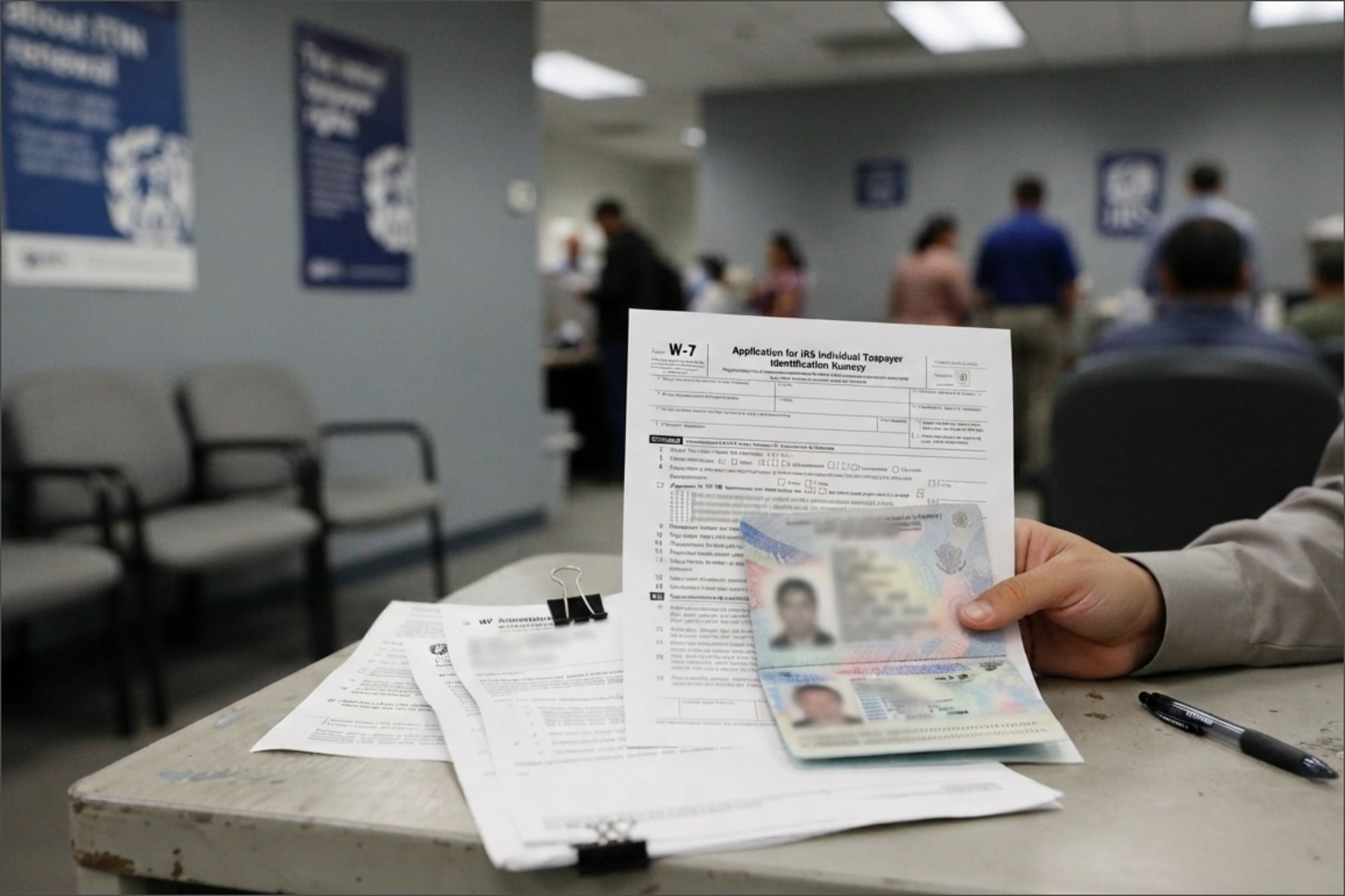
Individuals seeking an Individual Taxpayer Identification Number (ITIN) from the IRS in 2026 must carefully follow the application process. The primary form required is the W-7, which needs to be submitted along with supporting documentation. The IRS has specific requirements for these documents, and failure to meet them can lead to rejection of the application. Common errors that cause applications to be denied include incomplete forms, incorrect supporting documents, or missing information. It is crucial for applicants to be aware of these potential pitfalls to ensure their application is processed smoothly. The article also highlights the official deadlines for submitting the ITIN application, emphasizing the importance of timely submission. Understanding these requirements and potential mistakes is key to successfully obtaining an ITIN, which is necessary for certain tax purposes for individuals who do not have and are not eligible to obtain a Social Security number.
The process for obtaining an ITIN involves navigating IRS regulations and documentation requirements. Applicants must ensure all submitted materials, including the W-7 form and supporting identification, precisely meet IRS standards to avoid delays or rejection. Understanding these procedural nuances is critical for individuals who rely on ITINs for tax compliance. Future considerations may involve the IRS streamlining this process through digital verification methods to enhance efficiency and reduce administrative burdens for both applicants and the agency, especially as the number of non-resident taxpayers continues to evolve.
AI-generated to prompt reflection — not editorial opinion, not advice, not a statement of fact. How this works.