How to Buy Genuine Tea in Sreemangal: A Guide for Tourists
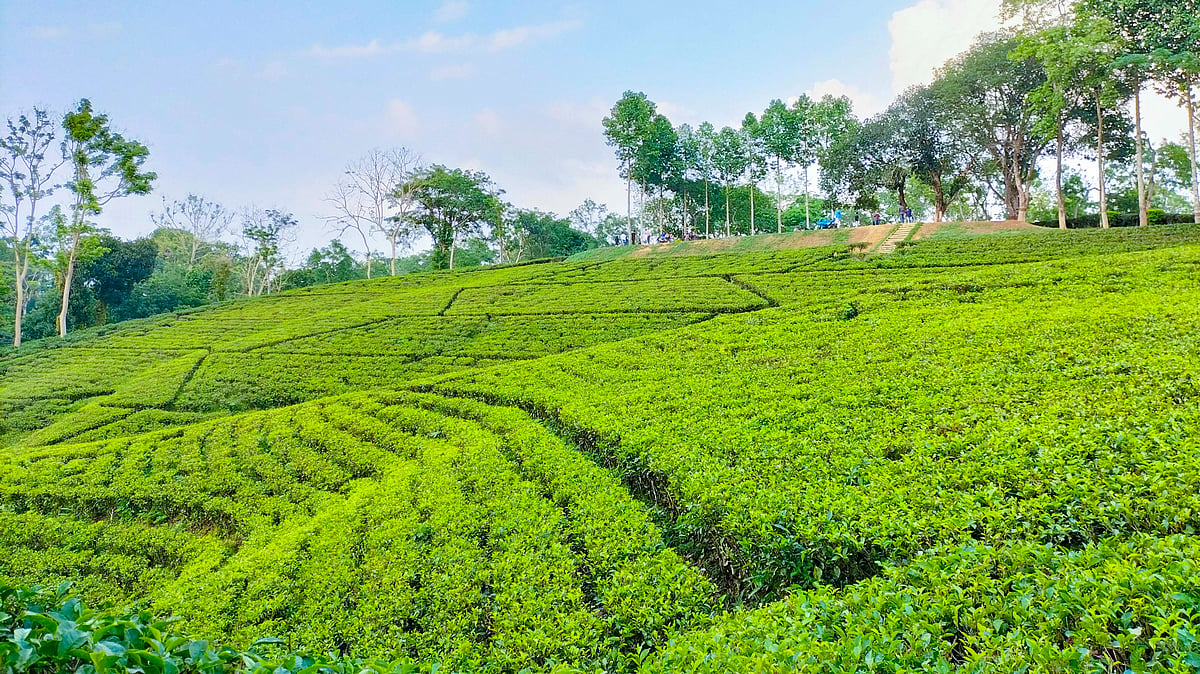
Tourists visiting Sreemangal, Bangladesh, often wish to purchase high-quality tea, but many end up being deceived by numerous tea shops selling inferior products. To help consumers make informed choices, this guide highlights authentic tea sources and provides practical tips. Established shops like 'Green Leaf Tea', founded in 1972 by Ganesh Ranjan Roy's grandfather, and 'Gupta Tea House', which entered the tea retail market two years later, are recommended. These establishments have a long history of selling genuine tea, with owners like Piyushkanti Dasgupta of Gupta Tea House tracing their family's involvement in tea manufacturing back to the British colonial era. Dasgupta emphasizes that tea quality is inherently variable, depending on weather and manufacturing processes, and that discerning genuine tea requires expertise beyond the average consumer's ability. He advises purchasing from reputable, long-standing establishments to ensure quality.
Key recommendations for buying authentic tea include avoiding purchases at tourist hotspots and instead seeking out traditional shops, particularly those on Sreemangal's historic Station Road, which have been in business for over 50 years. It is advisable to consult local shopkeepers, not affiliated with tea sales, for genuine recommendations. Consumers should be wary of recommendations from transport drivers (rickshaw, auto-rickshaw, CNG drivers) as they may receive commissions for directing customers to specific shops. Seeking advice from trusted friends or acquaintances who have previously purchased satisfactory tea in Sreemangal is also recommended. The guide stresses that the quality of tea should be prioritized over attractive, colorful packaging, as genuine, high-quality tea is often sold in simple, transparent polybags. Fixed prices should not be mistaken as a guarantee of quality, and consumers should be aware that some tourist spots may overcharge for inferior products. Finally, the article dispels the myth of buying tea directly from tea gardens, stating that this practice has not been permitted since the British era, and warns against purchasing from unverified online pages, as most authentic Sreemangal tea shops lack official online presences. Current prices for good quality tea range from 320 to 3,000 Taka per kilogram, depending on the variety.
The article addresses a common consumer challenge: distinguishing authentic products from imitations in a tourist-heavy market. It highlights the role of established businesses with long histories as indicators of quality, contrasting them with potentially deceptive tourist-oriented vendors. The advice to rely on traditional knowledge, local non-vendor recommendations, and simple packaging over flashy marketing underscores a system where provenance and established reputation are more reliable than superficial appeal. This situation reflects broader market dynamics where information asymmetry allows for exploitation of less informed consumers, particularly in locations rich with cultural products like tea. Future market evolution may see enhanced traceability technologies or stronger regulatory oversight to protect consumers, but for now, historical trust and community knowledge remain crucial safeguards against fraudulent practices.
AI-generated to prompt reflection — not editorial opinion, not advice, not a statement of fact. How this works.
