How to Check if Eggs Are Spoiled at Home
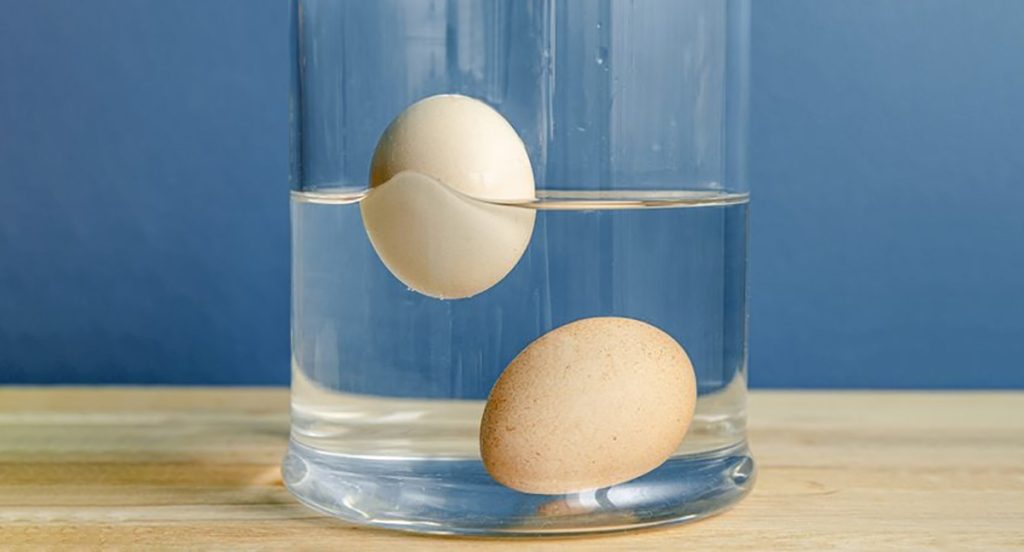
Eggs are a staple food for many, packed with nutrients and beneficial for all ages, from children to the elderly. To save money and convenience, most people purchase eggs in bulk, often a crate or more, to last for several days or even a month. Storing eggs at home for extended periods requires knowing how to determine their freshness. This article provides a simple method to check if eggs have gone bad without needing to break them open. The common and effective test involves placing the egg in a bowl of water. A fresh egg will lie flat on its side at the bottom of the bowl. An egg that is a few days old will stand on one end at the bottom. However, if an egg floats to the surface, it indicates that it is spoiled and should not be consumed. This floating phenomenon occurs because as an egg ages, the air cell inside it enlarges. The increased air content makes the egg more buoyant, causing it to float. Therefore, this water test is a reliable way to assess egg spoilage before cooking or eating.
The practice of purchasing perishable goods like eggs in bulk for cost savings is a common consumer behavior driven by economic incentives. However, this strategy introduces the challenge of spoilage management, necessitating simple, accessible methods for consumers to assess food safety. The described water flotation test for egg freshness is a practical, low-tech solution that leverages basic physics principles. In the context of food supply chains and household economics, empowering consumers with such knowledge contributes to waste reduction and public health by preventing the consumption of spoiled food. As AI and advanced sensing technologies evolve, future solutions might offer even more precise, non-invasive spoilage detection, potentially integrated into smart home appliances or packaging, further optimizing food management and minimizing waste.
AI-generated to prompt reflection — not editorial opinion, not advice, not a statement of fact. How this works.