How to Express 'Mochimochi' in Foreign Languages: An Interview with a Picture Book Author
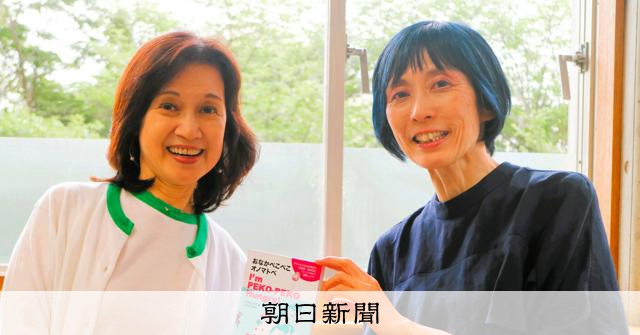
The Japanese onomatopoeic word 'mochimochi' describes a chewy, soft texture, often associated with foods like mochi. However, translating this specific sensory experience into foreign languages presents a challenge. Picture book author and illustrator, Kaho Shibuya, shared her insights on how to effectively convey such nuanced tastes and textures to a global audience.
Shibuya emphasizes the importance of using descriptive language and context when introducing Japanese food concepts abroad. Instead of a direct translation, she suggests explaining the sensation and the food item itself. For instance, describing 'mochimochi' as 'chewy and soft' or 'pleasantly elastic' can help non-Japanese speakers understand the texture. She also highlights the role of visuals in picture books, where illustrations can bridge the gap in linguistic understanding by depicting the food and its appeal.
Her approach focuses on making the experience relatable, even if the exact word doesn't exist. By combining tactile descriptions with the visual appeal of the food, Shibuya aims to create a comprehensive understanding and appreciation of Japanese culinary delights for international readers. This method is crucial for cultural exchange, allowing for a deeper connection through shared sensory experiences.
The challenge of translating culturally specific sensory descriptors like 'mochimochi' highlights the limitations of direct linguistic transfer. Effective cross-cultural communication, particularly in food and culture, often relies on evocative descriptions and contextualization rather than literal translation. As global culinary exchange intensifies, understanding these nuances becomes critical for marketing, tourism, and cultural diplomacy. Future strategies may involve developing richer, multimodal communication approaches that integrate sensory language, visual aids, and even olfactory cues to bridge these gaps, fostering deeper appreciation for diverse cultural offerings.
AI-generated to prompt reflection — not editorial opinion, not advice, not a statement of fact. How this works.