How to Make Cuscuz Fartura: A Rich Ceará Specialty with Meat, Cheese, and Sausage
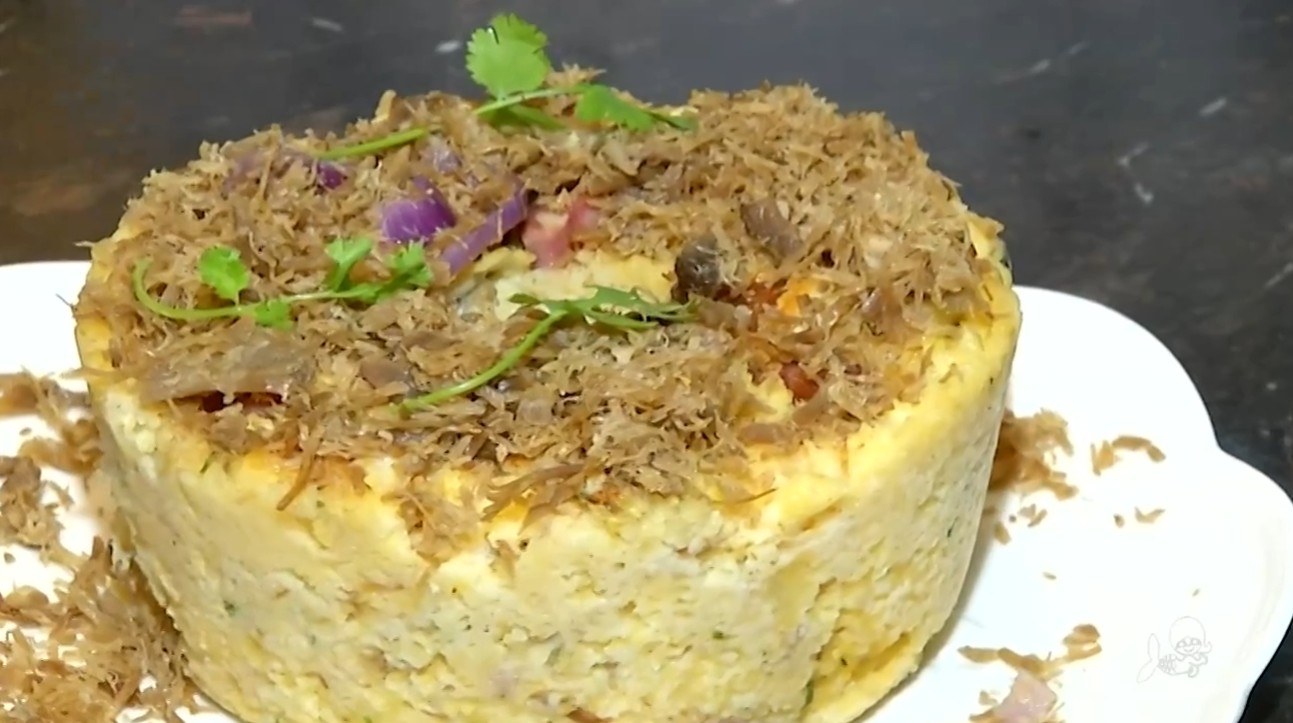
Cuscuz Fartura is a distinctive version of the traditional Northeastern Brazilian dish, originating from the state of Ceará. This recipe elevates the classic cornmeal base by incorporating generous amounts of sun-dried meat (carne de sol), coalho cheese, and calabresa sausage. Often referred to by locals as a "smell of dawn," it is a versatile dish enjoyed at any time of day. Chef Verônica Torres, with over 22 years of culinary experience, shares her expert method for preparing this rich delicacy. Torres's journey into professional cooking began when she successfully catered her daughter's first birthday party due to financial constraints, leading her to pursue a career in gastronomy. She emphasizes that the key to a moist and tender cuscuz lies in proper hydration time and the use of both coconut milk and whole milk in the batter. The recipe requires 230g of cornmeal, salt to taste, 200ml of coconut milk, 100g of cubed coalho cheese, 100g of fried calabresa, 130g of shredded and butter-sautéed sun-dried meat, 500ml of whole milk, and 30g of fresh herbs (cheiro verde). The preparation involves hydrating the cornmeal with coconut milk and salt, then mixing in the solid ingredients like cheese, sausage, and meat, allowing it to rest for 5 minutes. Finally, whole milk is added, and the mixture is poured into a greased baking dish. It is baked in a preheated oven, initially at 180°C, then reduced to 160°C for 15-20 minutes. A crucial tip from the chef is to let the cuscuz rest for 10-15 minutes after baking before unmolding to maintain its shape. For an even more abundant presentation, additional sun-dried meat and fresh herbs can be added on top. Chef Torres also notes that the same batter can be adapted for steaming in a traditional cuscuzeira or even for quick preparation in a microwave. A classic accompaniment suggested is a fried egg and a cup of coffee.
This recipe highlights a regional culinary adaptation, showcasing how staple ingredients like cornmeal can be enriched with local proteins and cheeses to create a more substantial and flavorful dish. The 'fartura' (abundance) aspect reflects a cultural value placed on generous portions and rich flavors, particularly in celebratory or comfort food contexts. From a systems perspective, the recipe's adaptability across different cooking methods (oven, steam, microwave) demonstrates how traditional dishes can evolve to meet contemporary demands for convenience without sacrificing core identity. The emphasis on specific hydration techniques and ingredient combinations points to the nuanced understanding of food science inherent in traditional cooking, optimized here for texture and moisture retention. This approach offers a model for preserving culinary heritage while integrating modern food preparation efficiencies.
AI-generated to prompt reflection — not editorial opinion, not advice, not a statement of fact. How this works.