How to Make Gravlax: A Viking-Inspired Salmon Appetizer for the Brazil-Norway Match
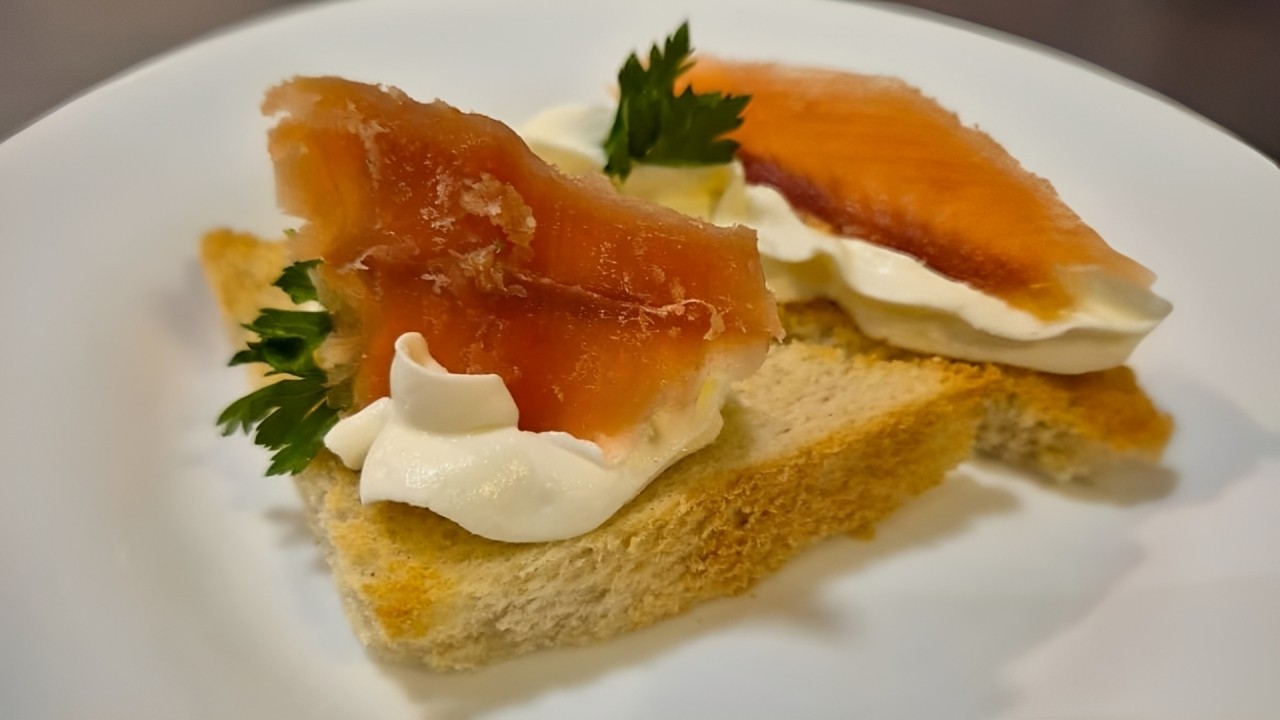
Chef Ismael Amaral shares a recipe for gravlax, a traditional Scandinavian cured salmon dish, perfect as an appetizer for the Brazil vs. Norway World Cup match on Sunday, November 5th at 5 PM. Unlike Norwegian smoked salmon (Røkelaks), gravlax is not smoked but cured slowly with salt, sugar, and herbs, resulting in a tender texture and delicate flavor. Chef Amaral explains that gravlax originated in the Middle Ages as a Viking preservation method, where raw salmon was marinated and buried in sand to ferment. Modern preparation, as demonstrated by Chef Amaral, involves marinating the salmon with dill and gin, followed by a curing process. The recipe requires a 700g salmon fillet, brown sugar, salt, fresh dill, white peppercorns, and cognac. The curing mixture is applied to the salmon, which is then tightly wrapped and refrigerated under pressure for 48 hours to drain excess liquid and firm the flesh. After curing, the excess mixture is scraped off, and the salmon is thinly sliced. A simple mustard-based sauce is also provided, featuring Dijon mustard, honey, lemon juice, and dill. Gravlax can be served with rye bread, toast, cream cheese, capers, and fresh greens, offering a taste similar to a fish 'salami.' The article distinguishes gravlax from Røkelaks, noting that Røkelaks requires cold smoking, making gravlax a more accessible home preparation for those seeking Nordic flavors.
This recipe offers a culinary connection between a sporting event and Scandinavian heritage, framing gravlax as an accessible alternative to the more complex Røkelaks. The detailed instructions highlight a traditional food preservation technique adapted for modern kitchens, emphasizing flavor development through curing rather than smoking. The method's reliance on simple ingredients and a 48-hour passive curing period under weight presents an efficient use of time and resources for home cooks. This approach aligns with a growing consumer interest in artisanal food preparation and understanding the origins of culinary practices, potentially fostering a deeper appreciation for cultural traditions through accessible, replicable methods.
AI-generated to prompt reflection — not editorial opinion, not advice, not a statement of fact. How this works.