How to Make Vegetables Pesticide-Free: 3 Correct Washing Methods
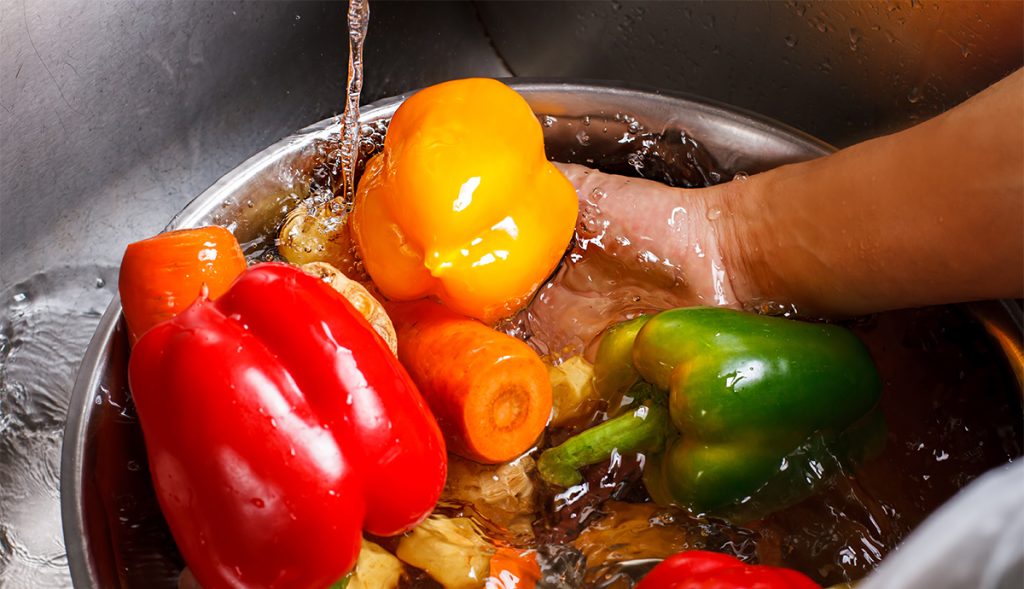
Vegetables displayed for sale, especially those with a shiny appearance, are often coated with pesticides. Even a light rinse with ordinary water can lead to pesticide absorption into the body. These chemical pesticides pose significant long-term health risks, including increased chances of cancer, damage to the nervous system, reproductive issues, and a weakened immune system. Common vegetables consumed daily, such as pumpkin shoots, mustard greens, tomatoes, and cucumbers, are frequently found to contain pesticide residues. To mitigate these risks, it is crucial to properly wash vegetables before consumption. The article aims to provide effective methods for removing these harmful chemicals. Understanding the types of pesticides used and their persistence on produce is essential for consumers. Implementing proper washing techniques can significantly reduce exposure to these dangerous substances, promoting safer eating habits and better public health.
The prevalence of pesticide residues on commercially sold vegetables highlights a critical public health challenge. While pesticides are intended to enhance crop yields and protect against pests, their potential for long-term health detriments necessitates robust consumer awareness and effective mitigation strategies. The emphasis on proper washing techniques addresses an immediate consumer-level solution, but it also points to systemic issues within agricultural oversight and food safety regulations. Future considerations should involve exploring more sustainable agricultural practices that minimize pesticide reliance, alongside enhanced regulatory frameworks for pesticide approval and monitoring. Consumers face a trade-off between the accessibility and affordability of conventionally grown produce and the imperative of safeguarding their health against chemical exposure, prompting a need for greater transparency in food production and more accessible organic alternatives.
AI-generated to prompt reflection — not editorial opinion, not advice, not a statement of fact. How this works.