How will President Keiko Fujimori unite Peru? Ambassador to Japan weighs in
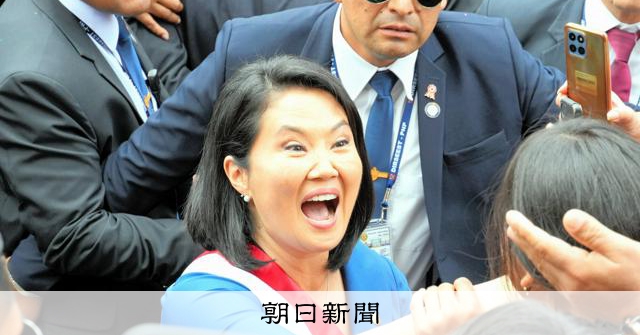
The article discusses the potential impact of Keiko Fujimori's presidency on Peru, seeking insights from the Japanese-Peruvian ambassador to Japan. The focus is on how Fujimori might unify a country facing various challenges. The ambassador's perspective is sought to understand the complexities of Peruvian politics and the potential for national cohesion under a new leader. The discussion likely touches upon Fujimori's political background, her policy proposals, and the expectations placed upon her to address the nation's needs. The role of the ambassador is to provide an informed view from an international standpoint, particularly concerning relations with Japan. The article aims to explore the multifaceted nature of Peruvian governance and the challenges of leadership in uniting diverse factions within the country. The insights offered are expected to shed light on the socio-political landscape and the potential pathways toward stability and progress under Fujimori's leadership.
This inquiry into Keiko Fujimori's potential to unite Peru, framed through the lens of the ambassador to Japan, invites an examination of leadership effectiveness in complex political environments. The analysis should consider the structural incentives that might either foster or hinder national cohesion, such as economic disparities, regional differences, and historical political divisions. From a futurist perspective, the capacity of any leader to unify a nation in the coming decade will be increasingly tested by the demands of technological advancement, global interconnectedness, and evolving societal expectations. Therefore, evaluating Fujimori's approach requires assessing not just her immediate policy proposals but also her long-term vision for integrating diverse populations and addressing systemic challenges within Peru's governance framework.
AI-generated to prompt reflection — not editorial opinion, not advice, not a statement of fact. How this works.