How World Cup Referees Are Selected Amidst Controversy
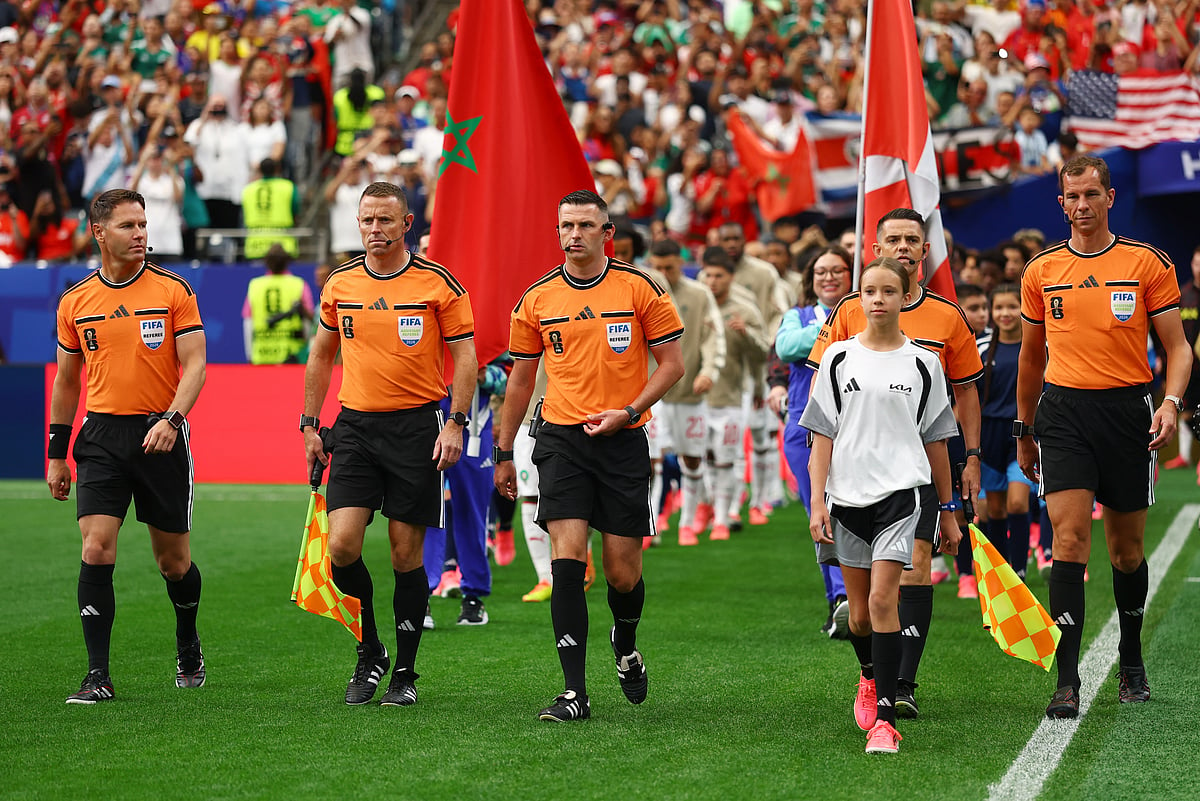
Amidst ongoing debates surrounding refereeing decisions, a key question arises regarding the selection process for referees in the World Cup. Specifically, how are referees assigned to particular matches within the tournament? The central inquiry is who ultimately makes these crucial decisions. Furthermore, what specific criteria and factors are taken into account when determining which referee officiates which game? This process is under scrutiny as controversies highlight the importance of fair and accurate officiating at the highest level of international football. Understanding the methodology behind these appointments is vital for maintaining the integrity of the competition and addressing concerns raised by players, coaches, and fans alike. The selection aims to ensure that the most qualified and experienced officials are chosen for each match, but the exact mechanisms and decision-makers remain a point of public interest.
The selection process for World Cup referees is a complex system designed to ensure impartiality and competence. However, controversies often arise, suggesting potential areas for improvement in transparency and accountability. Evaluating the criteria used, such as referee performance, experience, and nationality balance, can shed light on the decision-making framework. Future considerations might involve leveraging advanced analytics for performance assessment and exploring mechanisms for greater stakeholder input, while rigorously safeguarding against bias. The goal is to foster confidence in the officiating, recognizing its critical role in the fairness and integrity of global sporting events.
AI-generated to prompt reflection — not editorial opinion, not advice, not a statement of fact. How this works.