HSC Exam 2026: Strategic Time Management for Bengali Paper 2
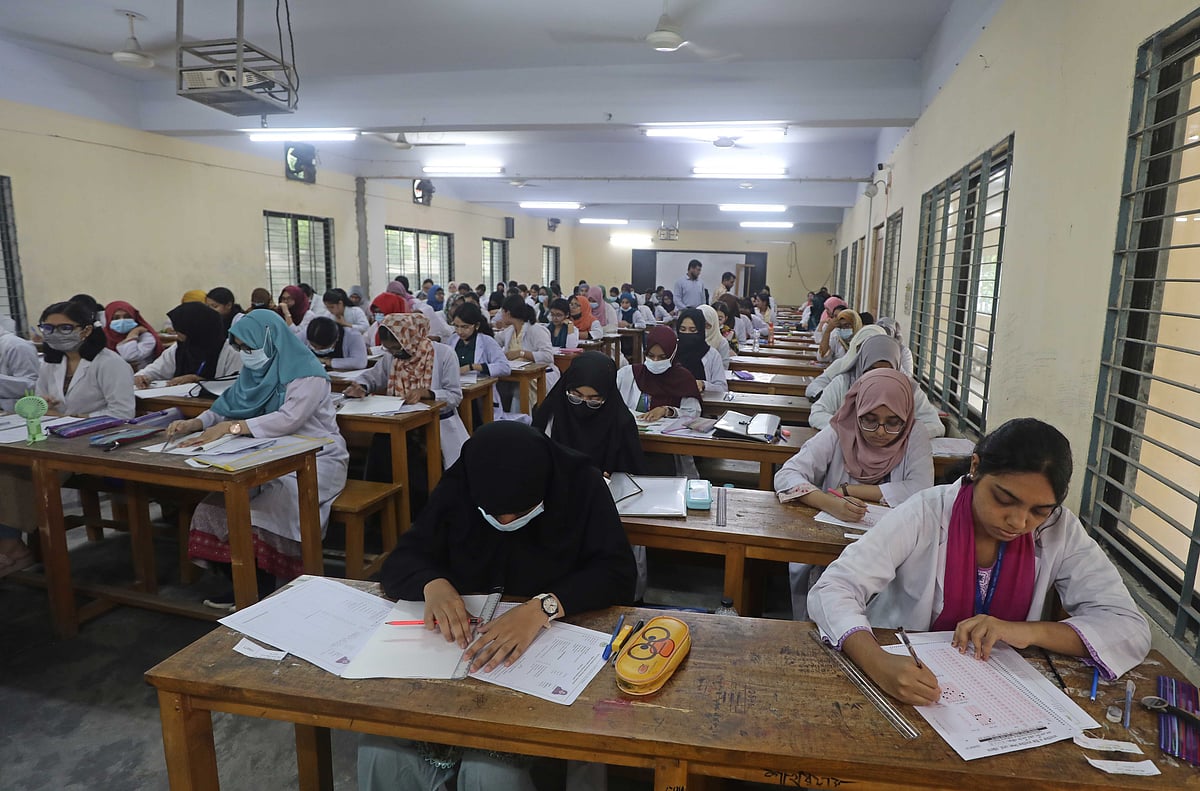
The Bengali Second Paper exam for the HSC 2026 will consist of 12 essay-style questions, with no multiple-choice options, spanning a total of 180 minutes. Success hinges on effective time management and strategic question selection. The paper is divided into two sections: Grammar, worth 30 marks, and Composition, worth 70 marks.
The Grammar section requires answering six questions, each with an alternative, for 5 marks apiece. The Composition section also requires answering six questions, each with an alternative, but these are worth 10 marks each, except for the essay writing question, which is worth 20 marks.
Students are advised to carefully read the question paper for five minutes upon receiving it and mark potential answers. For the Grammar section, specific time allocations are suggested for each question type, ranging from 6 to 10 minutes, focusing on areas like pronunciation, spelling, word classes, word formation, sentence transformation, and correcting errors. The Composition section suggests dedicating 10 minutes for translation or vocabulary, 20 minutes for report writing, 15 minutes for electronic letters, 15 minutes for summarization or essay expansion, 15 minutes for dialogue writing, and a substantial 45 minutes for the essay. A final five minutes should be reserved for revision before submitting the paper.
This detailed time management plan for the Bengali Second Paper exam offers a structured approach to a high-stakes assessment. By allocating specific minutes to each question type, the strategy aims to maximize score potential within the 180-minute timeframe. The emphasis on choosing questions based on perceived strength and allocating more time to higher-mark components like essay writing and report generation reflects a pragmatic test-taking methodology. The plan implicitly acknowledges the cognitive load of essay composition and the need for focused effort on specific skill sets. Future pedagogical approaches might explore adaptive learning platforms that can identify individual student weaknesses and strengths, offering personalized practice and time management coaching to further optimize performance beyond generalized strategies.
AI-generated to prompt reflection — not editorial opinion, not advice, not a statement of fact. How this works.