HSC Exam Postponed in Cox's Bazar Due to Flooding, Following Chittagong and Rangamati
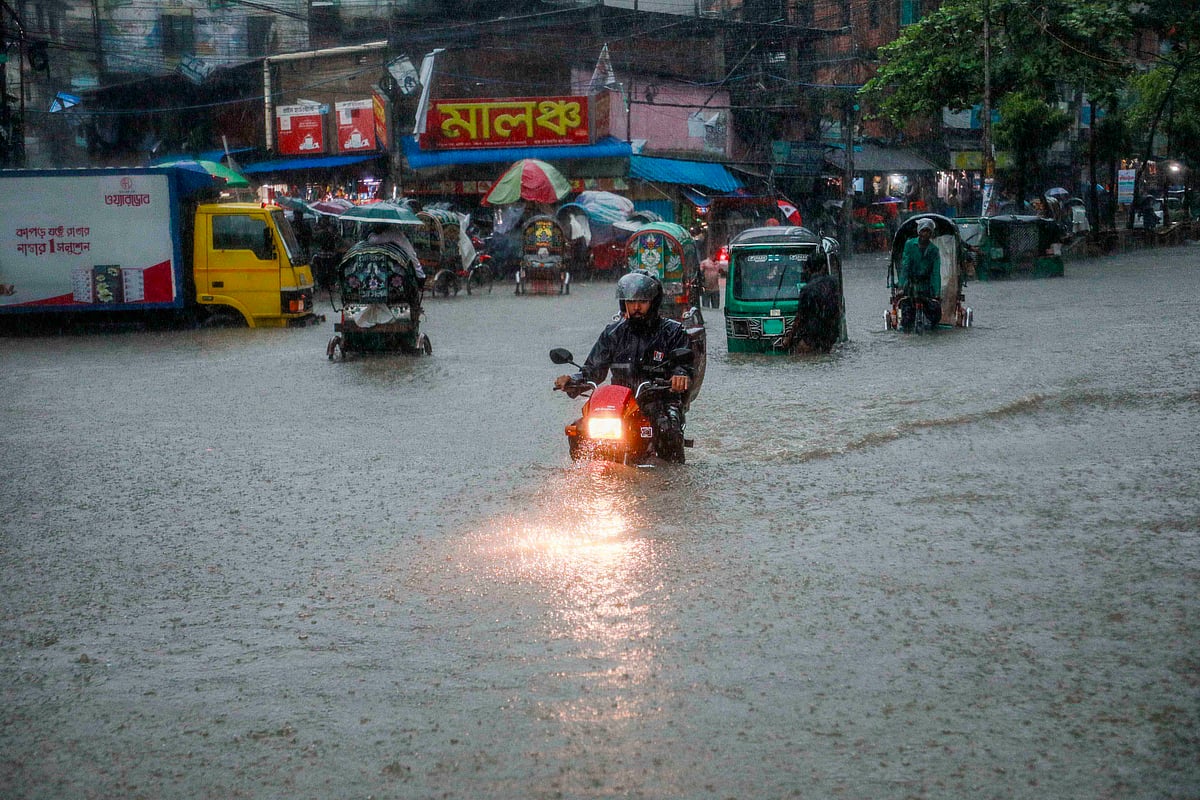
The Higher Secondary Certificate (HSC) and equivalent examinations scheduled for Wednesday, July 8th, have been postponed in Cox's Bazar district due to severe flooding. This decision follows similar postponements in Chittagong and Rangamati districts. The announcement was made via an order signed by Professor Syed Akhtaruzzaman, president of the Inter-Education Board Coordination Committee, late on Tuesday night. Initially, an earlier order indicated that exams in Cox's Bazar, Bandarban, and Khagrachhari districts under the Chittagong Education Board, along with exams from other education boards, would proceed as usual. However, a subsequent order was issued specifically announcing the postponement of the Cox's Bazar exams. Professor Syed Akhtaruzzaman stated that the postponed exams in these affected areas will be conducted later using separate question papers. Notably, this year's HSC exams are being administered with uniform question papers across general education boards. The postponements are attributed to continuous heavy rainfall, which has caused widespread waterlogging in Chittagong, with the city recording 394 millimeters of rain in the 24 hours leading up to Tuesday evening, the highest single-day rainfall for July in 43 years. Rangamati and Cox's Bazar have also experienced extensive flooding due to persistent heavy rains.
The decision to postpone HSC exams in multiple districts of Bangladesh, including Cox's Bazar, Chittagong, and Rangamati, highlights the vulnerability of educational infrastructure to extreme weather events exacerbated by climate change. The reliance on uniform question papers across boards, while aiming for standardization, presents a logistical challenge when localized disruptions occur, necessitating separate question papers for rescheduled exams. This situation underscores the need for more resilient examination systems and contingency planning that can adapt to unpredictable environmental factors. Future strategies may involve developing flexible examination schedules, exploring digital assessment methods, or establishing regional examination centers that are less susceptible to localized flooding, ensuring educational continuity amidst a changing climate.
AI-generated to prompt reflection — not editorial opinion, not advice, not a statement of fact. How this works.