Huawei's Jin Yuzhi Clarifies "Jing" and "Jie" Strategy in Automotive Sector
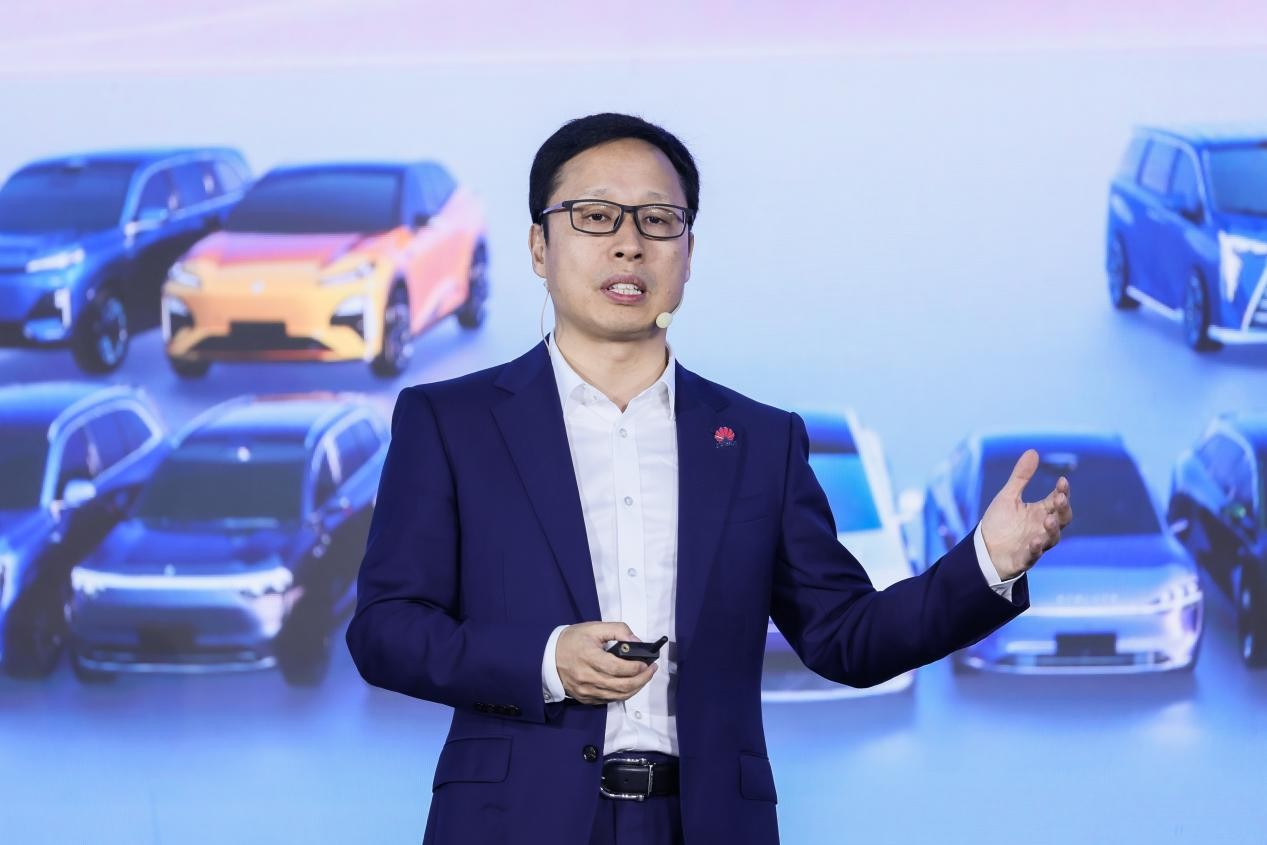
Jin Yuzhi, Senior Vice President of Huawei and CEO of Avatr, has reiterated Huawei's unwavering strategic positioning as an "incremental component provider" for intelligent connected vehicles. Despite ongoing discussions about Huawei's expanding role beyond supplying components, Jin emphasized that the company's core strategy remains unchanged. He clarified the relationship between "Jie" (referring to the AITO ecosystem brands like AITO M7, Luxeed S7, and Stelato S9) and "Jing" (representing brands like Luxeed E7 and Luxeed i7), stating they are complementary rather than conflicting. "Jie" primarily targets vehicles above 300,000 yuan, while "Jing" focuses on those below this price point, both built upon Huawei's Avatr intelligent driving technology platform. This dual approach aims to provide comprehensive smart driving solutions across different market segments and price ranges, fulfilling Huawei's strategic goal of being an "electronic screw" for the automotive industry. The company is actively working to popularize advanced driver-assistance systems (ADAS) through its Avatr intelligent driving experience centers, addressing user unfamiliarity and promoting safe usage. Huawei welcomes competition, including Tesla's FSD entering the Chinese market, viewing it as a catalyst for industry advancement, despite differing technological approaches. Jin stressed the critical importance of a multi-sensor fusion perception route for safety, aiming to surpass human driving capabilities rather than merely emulate them. He highlighted the significant R&D investment, exceeding 100 billion yuan, and a planned 18 billion yuan R&D expenditure for Avatr in 2026 alone, underscoring the commitment to vertical integration and core technology development for long-term success in the competitive autonomous driving landscape.
Huawei's strategic clarification of its automotive ambitions, distinguishing between component supply and brand ecosystem development, reflects a deliberate approach to navigate market complexities. The "electronic screw" analogy signifies a commitment to foundational technology integration, aiming to become indispensable across various vehicle segments. By differentiating "Jie" and "Jing," Huawei seeks to balance premium market penetration with broader market accessibility, leveraging its technological advancements for diverse price points. The company's emphasis on a multi-sensor fusion approach for autonomous driving, coupled with substantial R&D investment, positions it as a significant player in a rapidly evolving industry. However, the long-term viability of this strategy will depend on its ability to manage evolving regulatory landscapes, intense competition, and the inherent challenges of achieving true Level 4 autonomous driving, particularly concerning safety validation and user trust across different market tiers.
AI-generated to prompt reflection — not editorial opinion, not advice, not a statement of fact. How this works.