Hubble Captures Ancient Dwarf Galaxy Remnants with 500,000 Stars
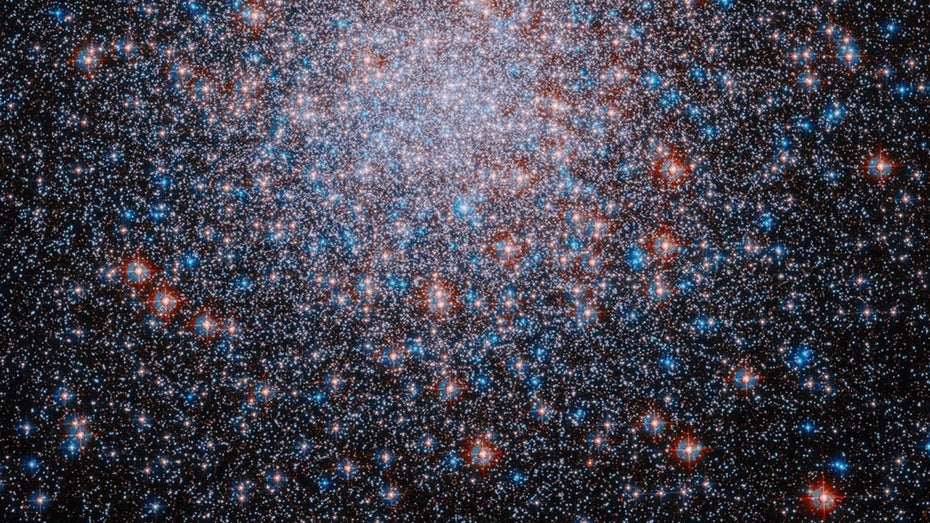
The Hubble Space Telescope has captured a new image revealing the remnants of a dwarf galaxy, an observation that prompts fundamental questions about the evolutionary history of our own Milky Way galaxy. This celestial object, composed of approximately 500,000 ancient stars, offers a unique glimpse into the distant past of the cosmos. The detailed imagery goes beyond mere visual appeal, providing valuable scientific data for astronomers. Studying these galactic remnants helps scientists understand the processes of galaxy formation and evolution. It allows for comparative analysis with our own galaxy's structure and development. The observation underscores the vastness and complexity of the universe. Further analysis of this data is expected to shed light on the early universe and the interactions between galaxies over cosmic timescales. This discovery highlights the ongoing contributions of space-based observatories like Hubble to our understanding of cosmology.
This Hubble observation of a dwarf galaxy remnant provides a valuable dataset for understanding galactic evolution. By examining the composition and distribution of its approximately 500,000 ancient stars, scientists can refine models of galaxy formation and mergers. The data offers an opportunity to analyze the gravitational dynamics and stellar populations that characterize such ancient structures. This comparative study can illuminate the Milky Way's own formation history and the role of smaller galaxies in its development. Understanding these processes is crucial for predicting the future state of our galaxy and the cosmos within the next decade, particularly as computational astrophysics advances.
AI-generated to prompt reflection — not editorial opinion, not advice, not a statement of fact. How this works.