Hubble Captures Unprecedentedly Detailed Images of Andromeda Galaxy
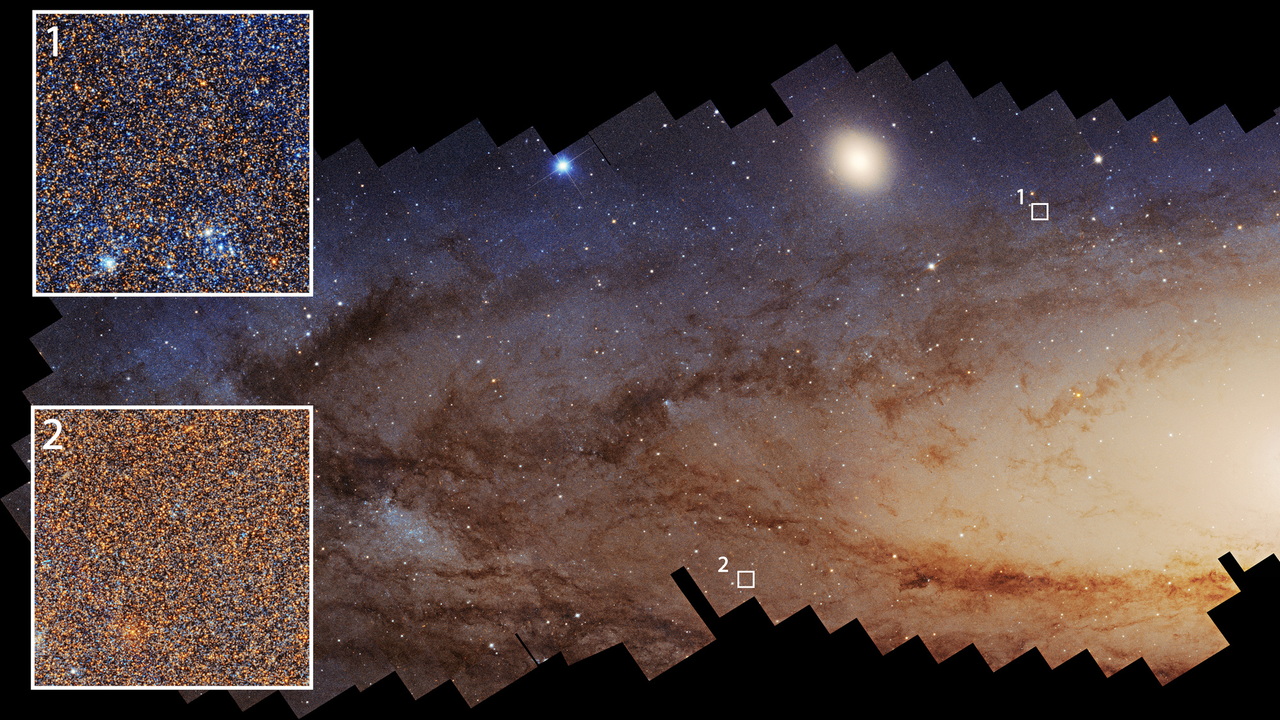
The Hubble Space Telescope has provided one of the most detailed views ever of the Andromeda galaxy, our closest large galactic neighbor. These new images reveal that Andromeda, once thought to be a prolific star-forming region, is no longer the "star factory" it used to be. This finding comes as NASA prepares to launch the Nancy Grace Roman Space Telescope, which promises to offer even more profound insights into the cosmos. The Andromeda galaxy, also known as M31, is a spiral galaxy located approximately 2.5 million light-years from Earth. It is the largest galaxy in the Local Group, a collection of galaxies that includes the Milky Way. Previous observations had suggested a high rate of star formation within Andromeda. However, the latest high-resolution imagery from Hubble indicates a significant slowdown in this process. This shift in star formation activity is a key discovery that will help astronomers understand galactic evolution. The upcoming Roman Space Telescope, with its wide field of view and advanced instruments, is expected to build upon these discoveries. It will enable scientists to explore a vast range of astronomical phenomena, including dark energy, exoplanets, and the early universe, potentially revealing further details about galaxies like Andromeda.
The detailed imaging of the Andromeda galaxy by the Hubble telescope offers valuable data for understanding galactic evolution and the lifecycle of star formation. The observation that Andromeda is no longer a prolific "star factory" provides a crucial data point for refining models of galactic development. This finding, coupled with the impending launch of the Nancy Grace Roman Space Telescope, highlights a continuous progression in astronomical observation capabilities. The juxtaposition of Hubble's detailed, yet localized, view with Roman's anticipated broad-spectrum survey suggests a future where different observational tools will provide complementary insights. This approach allows for both in-depth analysis of specific celestial objects and expansive mapping of cosmic phenomena, fostering a more comprehensive understanding of the universe's dynamics over time.
AI-generated to prompt reflection — not editorial opinion, not advice, not a statement of fact. How this works.