Hubble Telescope Captures Red, White, and Blue Star Cluster for US Anniversary
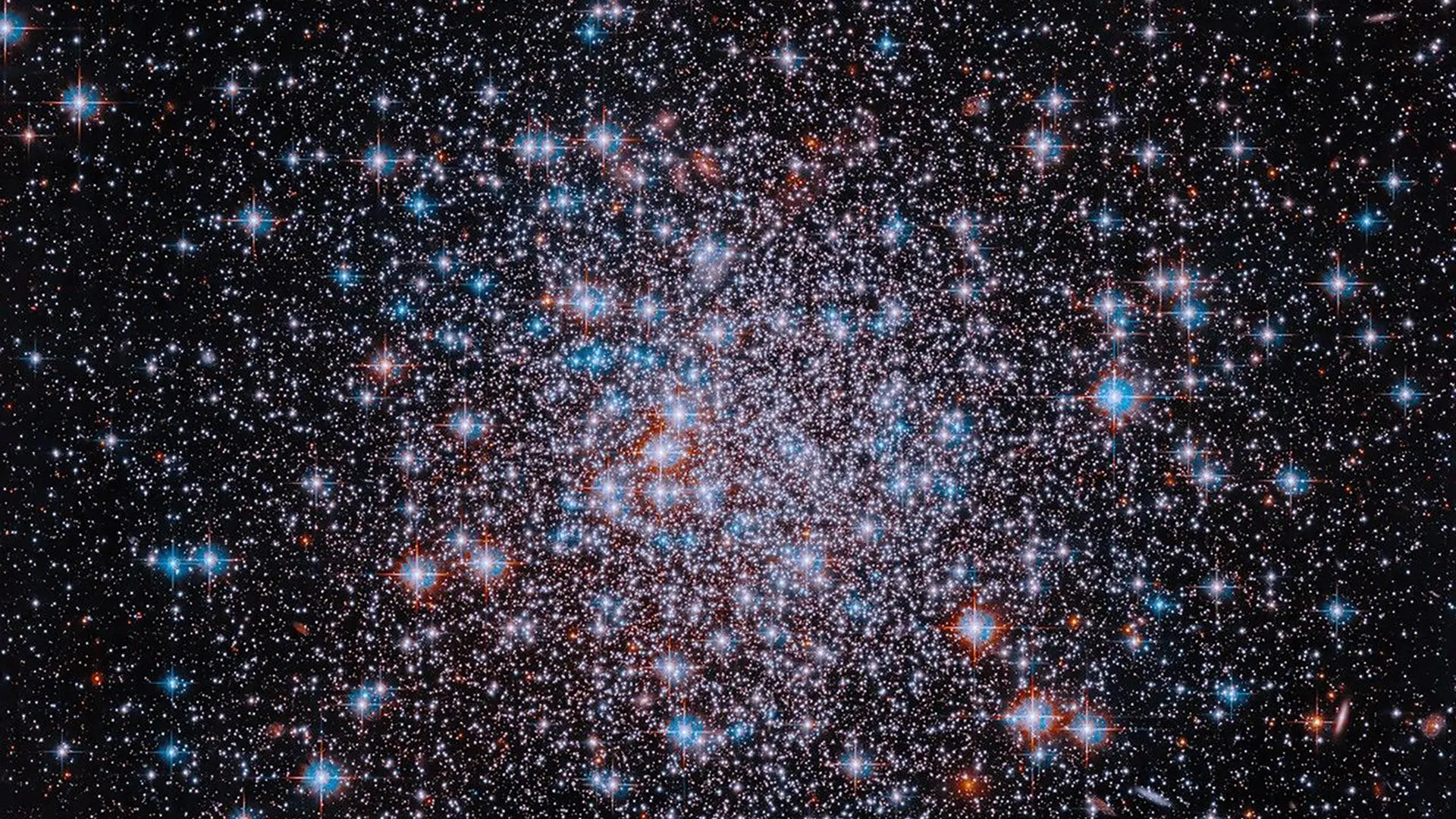
NASA's Hubble Space Telescope has provided a stunning visual display of a star cluster, featuring red, white, and blue hues, to commemorate the United States' upcoming 250th anniversary. This ancient cluster, located within the Milky Way, harbors significant scientific value. Researchers believe that studying this cluster can reveal crucial information about the role of exploding stars, known as supernovae, in the early universe. These cosmic events are thought to have played a pivotal part in transforming the primordial cosmos into an environment suitable for the formation of planets. Ultimately, this process paved the way for the emergence of life as we know it.
The Hubble Space Telescope's observation highlights the intersection of scientific discovery and national symbolism. By capturing a visually striking image of an ancient star cluster in patriotic colors, NASA leverages astronomical phenomena for public engagement and to mark significant national milestones. This approach can foster broader interest in space exploration and astrophysics. Furthermore, the scientific objective of understanding stellar evolution and its impact on universal development, as suggested by the study of this cluster, aligns with long-term goals of comprehending our cosmic origins and the conditions necessary for life. The framing of this discovery around a national anniversary underscores the potential for scientific endeavors to resonate with cultural and societal narratives, while the underlying research contributes to fundamental knowledge about the universe's history.
AI-generated to prompt reflection — not editorial opinion, not advice, not a statement of fact. How this works.