Hubble Telescope Reveals Star Formation Decline in Andromeda Galaxy
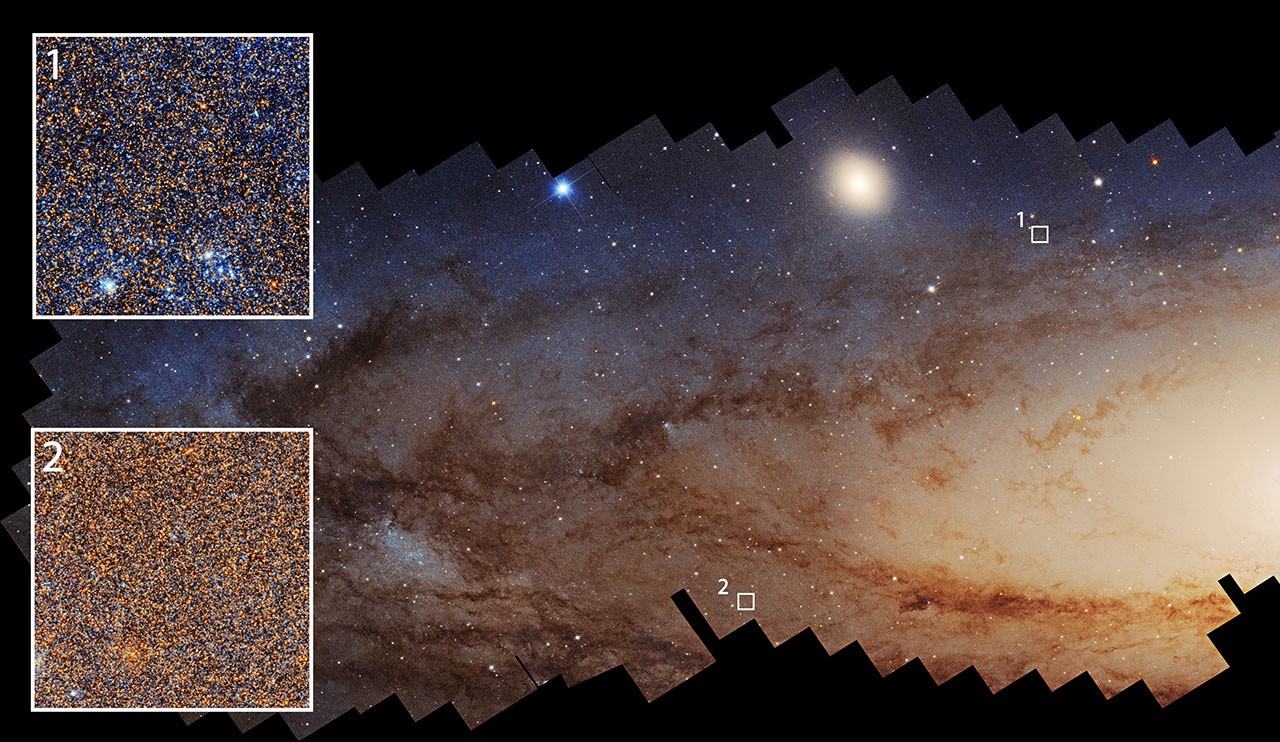
NASA's Hubble Space Telescope has detected a significant slowdown in star formation within the Andromeda galaxy. The data indicates that the rate of star birth in Andromeda has been steadily decreasing over the past 500 million years. This finding provides crucial insights into the evolutionary processes of galaxies, including our own Milky Way. Andromeda, also known as M31, is the closest large spiral galaxy to our Milky Way and is a key target for astronomical study. The Hubble observations allow astronomers to peer into the galaxy's past and understand the mechanisms that regulate star formation. This long-term decline suggests that the galaxy's gas reservoir, the fuel for star birth, may be diminishing or becoming less accessible. Further research will aim to understand the specific factors contributing to this trend and its implications for the future of Andromeda. The discovery contributes to a broader understanding of galactic evolution across the universe.
The Hubble observations of Andromeda's star formation decline offer a window into galactic evolution. This trend, spanning half a billion years, highlights the finite nature of a galaxy's star-forming fuel. Understanding the drivers of this slowdown—whether it's gas depletion, feedback mechanisms from existing stars, or external interactions—is crucial for refining models of galactic lifecycles. Such insights are vital as we consider the long-term trajectory of our own Milky Way and other galaxies in the universe, particularly in the context of future cosmic timescales and the evolving understanding of astrophysical processes.
AI-generated to prompt reflection — not editorial opinion, not advice, not a statement of fact. How this works.