Human Body's 'Flaws' Are Evolutionary Compromises, Not Design Failures
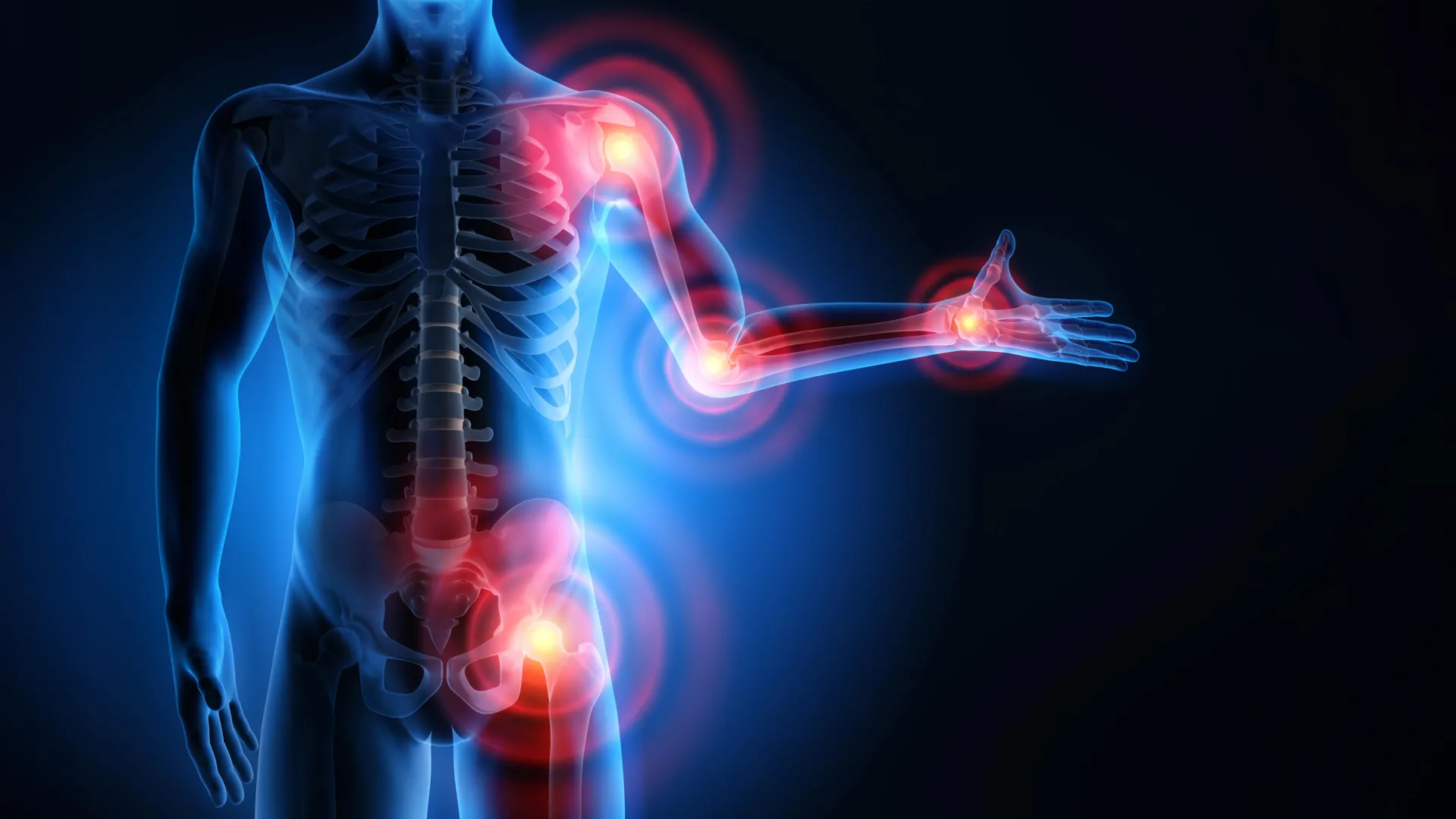
The human body possesses numerous characteristics often perceived as design flaws, but these are primarily the result of evolutionary processes rather than intentional design. Evolution operates by modifying existing structures rather than starting anew, leading to compromises that were sufficient for survival but not optimal. Examples include the spine, eyes, teeth, and pelvis, which are prone to pain, injury, and disease due to their evolutionary history. Vestigial structures like the appendix and ear muscles persist because they did not pose a significant enough disadvantage to be eliminated by natural selection. These features collectively illustrate a biological history shaped by adaptation and survival needs over time, rather than a pursuit of perfection.
The concept of 'design flaws' in the human body highlights the inherent limitations of evolutionary adaptation. Unlike engineered systems, biological evolution iteratively modifies existing structures, leading to functional compromises that address immediate survival needs but may create vulnerabilities over time. This perspective underscores the importance of understanding biological systems not as perfect designs, but as products of historical contingency and selective pressures. Future advancements in medicine and bioengineering may seek to mitigate these evolutionary legacies, but the underlying principle of adaptation through modification will likely continue to shape biological forms and functions.
AI-generated to prompt reflection — not editorial opinion, not advice, not a statement of fact. How this works.