Human Echolocation Alters Brain Structure, Study Finds
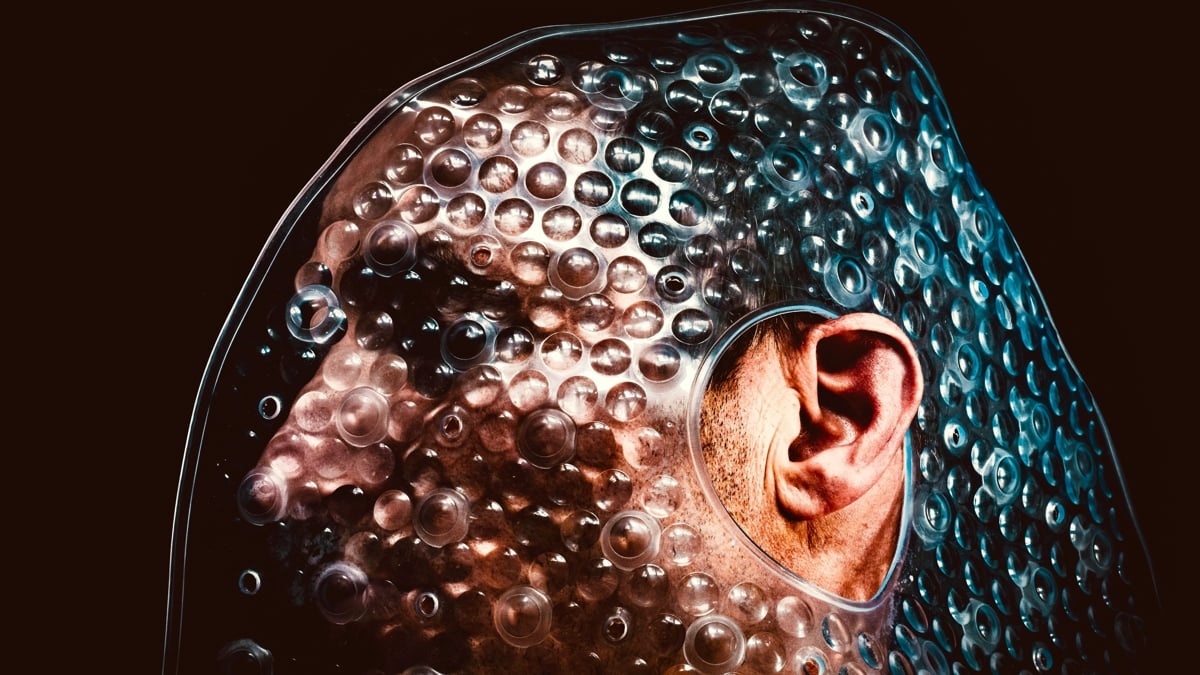
Humans possess the innate ability to echolocate, similar to bats and dolphins, a capability that can reshape the brain's neural pathways. This discovery challenges previous assumptions about human sensory perception and cognitive flexibility. The ability to interpret echoes allows individuals to navigate and understand their environment through sound alone. Research indicates that practicing echolocation can lead to significant changes in the brain's auditory cortex and other related areas. These adaptations demonstrate the brain's remarkable plasticity and its capacity to rewire itself in response to sensory input. The study suggests that echolocation is not just a learned skill but an inherent human capacity that can be honed with practice. This finding opens new avenues for understanding sensory substitution and rehabilitation for individuals with visual impairments. Further research is needed to fully explore the extent of these brain alterations and their practical applications.
The finding that humans can echolocate and that this ability alters brain wiring underscores the profound plasticity of the human brain. This suggests that sensory input, even beyond the traditionally recognized senses, can drive significant neural reorganization. From a systems perspective, this highlights the brain's adaptive capacity to leverage available information streams for environmental interaction. Over the next decade, as AI increasingly integrates with human sensory augmentation, understanding these natural adaptive mechanisms could inform the design of more intuitive and effective human-computer interfaces. It also raises questions about how to best train and integrate such abilities, potentially offering new pathways for rehabilitation and enhanced human capabilities in an AI-driven world.
AI-generated to prompt reflection — not editorial opinion, not advice, not a statement of fact. How this works.