Human Evolution May Not Keep Pace With Rapid Societal Change, Study Suggests
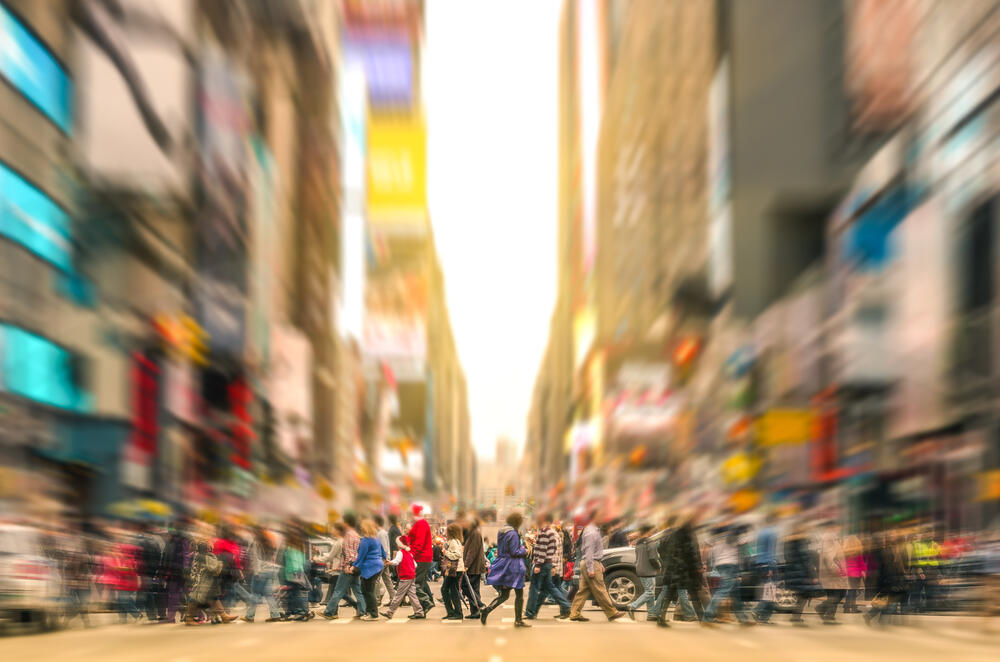
A new paper published in the journal 'Behavioral Sciences' proposes that humanity's rapid progress may be outpacing our biological and psychological adaptability. Scientists from institutions in Singapore reviewed existing research and theories to support their argument. They suggest that the stresses, loneliness, and anxiety experienced by many might not be solely personal issues, but rather a consequence of our evolutionary trajectory failing to align with modern life. The paper posits that our bodies and minds may be struggling to cope with the accelerated pace of societal and technological advancement. This disconnect could manifest in widespread mental health challenges. The researchers aim to reframe these issues as potentially systemic, stemming from an evolutionary mismatch. Their work encourages a broader perspective on the roots of modern psychological distress.
This research highlights a potential evolutionary mismatch between human biological capacity and the rapid pace of modern societal development. The paper suggests that widespread psychological distress, such as stress, loneliness, and anxiety, may be systemic rather than purely individual failings. By framing these issues through an evolutionary lens, the study prompts consideration of whether current societal structures and technological acceleration are creating an environment that outstrips our innate adaptive capabilities. This perspective could inform future approaches to mental well-being, focusing on mitigating the impact of rapid change and fostering environments more conducive to human psychological equilibrium in the long term.
AI-generated to prompt reflection — not editorial opinion, not advice, not a statement of fact. How this works.