Human Exploration vs. AI Robots: The Future of Visiting Saturn's Moon Titan
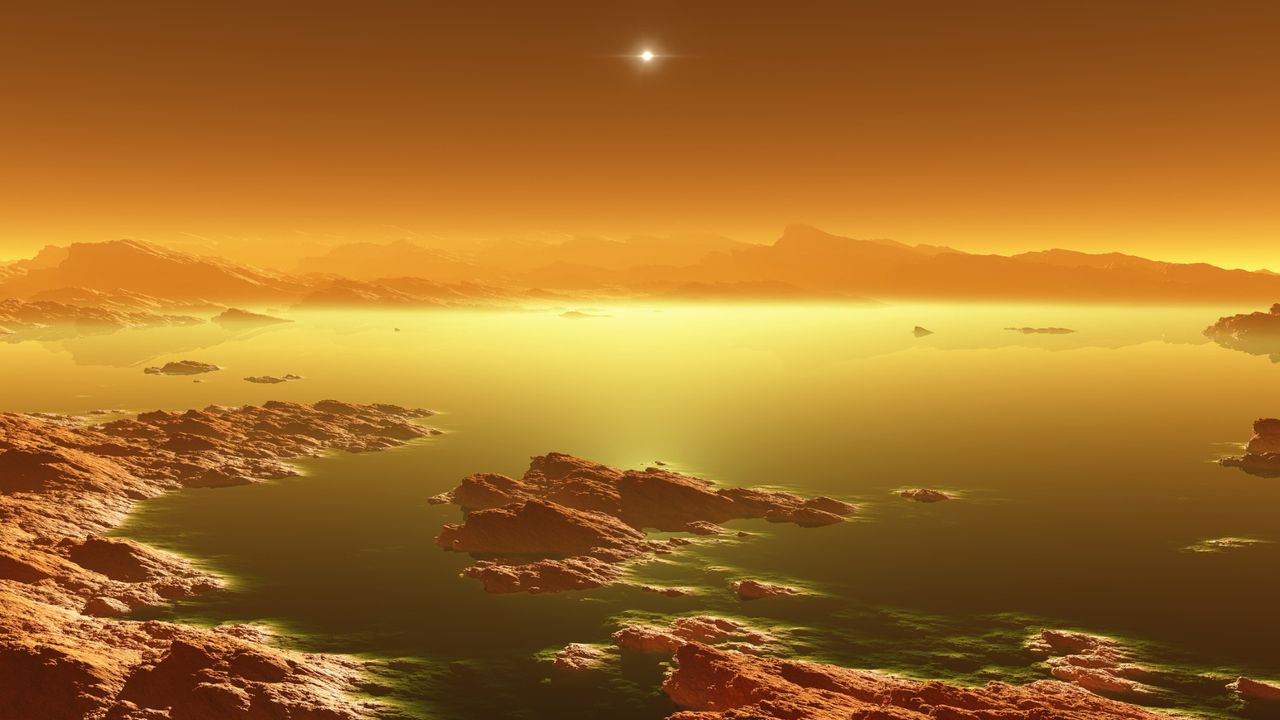
The question of whether humans or advanced AI robots will be the first to explore Saturn's moon, Titan, is a significant one for future space missions. Titan presents a unique environment, with a thick atmosphere and liquid methane lakes, making it a prime target for scientific inquiry. The challenges of sending humans to such a distant and alien world are immense, including the long travel times, the need for extensive life support, and the inherent risks of human spaceflight. Conversely, the development of sophisticated humanoid robots, powered by artificial intelligence, offers a potential alternative. These robots could be designed to withstand the harsh conditions of Titan and perform complex scientific tasks without the biological limitations of human explorers. The decision between human-led or robot-led exploration will likely depend on technological advancements, mission objectives, and the perceived value of human presence versus robotic capability.
The prospect of exploring Titan highlights a fundamental tension in space exploration strategy: the balance between human presence and robotic autonomy. While human explorers offer unparalleled adaptability and intuitive scientific judgment, the logistical and safety considerations for deep-space missions are substantial. The advancement of AI and robotics presents a compelling case for robotic missions, potentially reducing risk and cost while enabling exploration of environments too hazardous for humans. This strategic choice will shape not only our understanding of celestial bodies like Titan but also the economic and ethical frameworks governing future interplanetary endeavors, prompting a re-evaluation of what constitutes successful exploration in the AI era.
AI-generated to prompt reflection — not editorial opinion, not advice, not a statement of fact. How this works.