Human remains found in Bahia; suspected to be missing 20-year-old
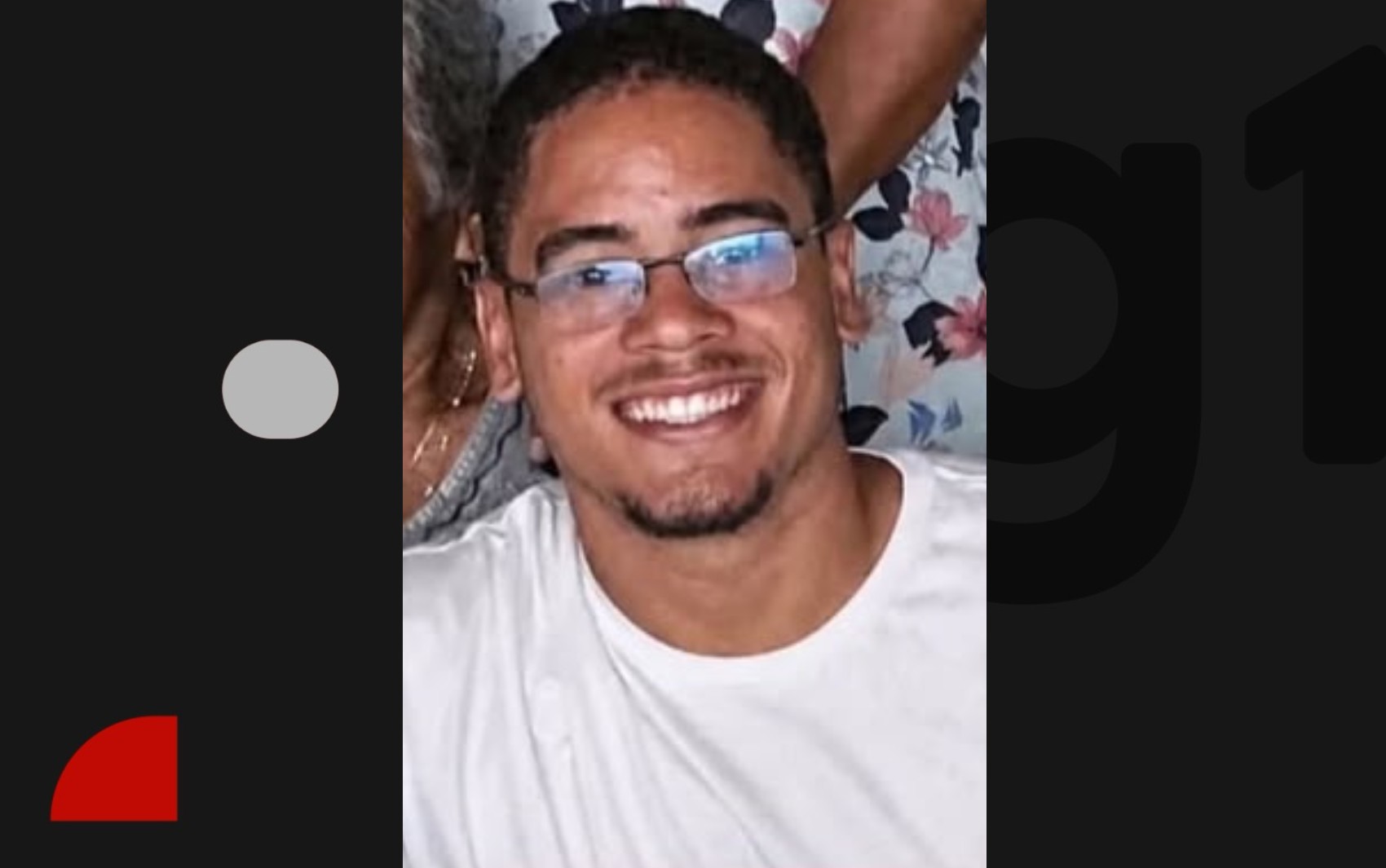
Human remains were discovered on Friday, July 24th, in a wooded area in São Gonçalo dos Campos, Bahia, approximately 20 km from Feira de Santana. The Civil Police suspect the remains belong to Murilo Gomes, a 20-year-old resident of the Tomba neighborhood, who has been missing since June 29th. This date notably coincides with a Brazilian national team soccer match during the World Cup. Authorities initiated searches after a suspect reportedly indicated the location of the remains, which were found in an advanced state of decomposition. Forensic teams from the Department of Technical Police (DPT) collected the remains for analysis, as official identification is pending expert examination. Due to the condition of the remains, visual identification by family is not possible, and DNA testing is expected to confirm the victim's identity. Murilo Gomes was last seen leaving his home to watch the soccer game and has had no contact with his family since. His cell phone has been off, and he has not responded to messages. Family members stated that Murilo, who lives with his 85-year-old grandmother, had no prior history of disappearing without notice. He was last seen wearing a white t-shirt, denim shorts, and black sneakers. A police report was filed, and the investigation will proceed once the forensic results confirm the identity of the deceased.
The discovery of human remains in São Gonçalo dos Campos, Bahia, raises critical questions regarding public safety and the effectiveness of missing person protocols. While the investigation is ongoing, the circumstances surrounding Murilo Gomes's disappearance and the subsequent finding of remains highlight potential vulnerabilities within community safety frameworks. Future efforts could focus on enhancing community-based surveillance and rapid response mechanisms for missing persons, particularly among youth. Analyzing the socio-economic factors that may contribute to such disappearances and the geographical challenges in locating individuals in remote areas will be crucial for developing more robust preventative strategies over the next decade. Understanding the interplay between social connections, individual mobility, and the timely dissemination of information to law enforcement is paramount for improving outcomes in similar future cases.
AI-generated to prompt reflection — not editorial opinion, not advice, not a statement of fact. How this works.