Human rights groups demand independent probe into Rawalakot violence
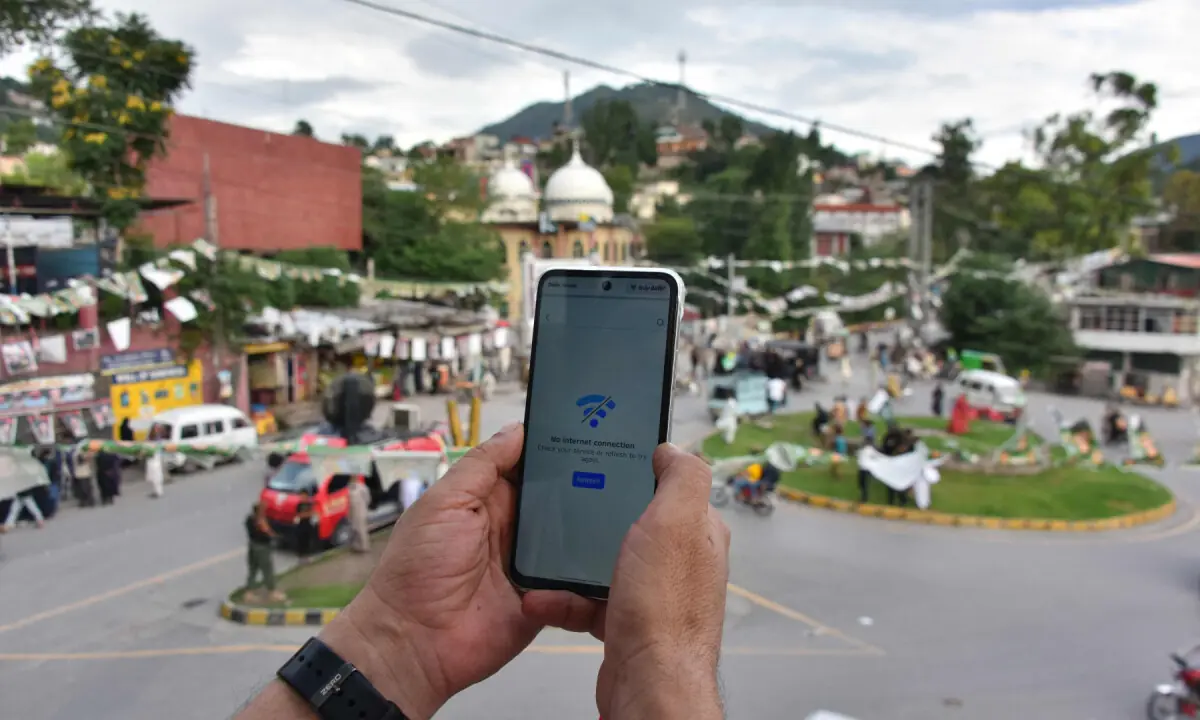
The Human Rights Commission of Pakistan (HRCP) and Amnesty International have called for an immediate and independent investigation into recent violence in Rawalakot, Azad Jammu and Kashmir (AJK). Clashes between protesters and law enforcement personnel occurred in Rawalakot on Monday and Mirpur on Tuesday, reportedly leading to casualties. The now-proscribed Joint Awami Action Committee (JAAC), which has been protesting for weeks against 12 legislative seats reserved for refugees from Indian-held Kashmir, is at the center of the unrest. The government alleges that militant elements funded by India are instigating the violence, framing it as a foreign agenda. These events coincide with ongoing elections across AJK. The HRCP expressed deep alarm over the reported deaths and injuries, emphasizing the authorities' duty to maintain order without violating rights to life, peaceful assembly, and expression. They urged an end to the violence and accountability for any unlawful use of force, advocating for a shift from confrontation to protecting lives as elections continue. Amnesty International, through its Acting Regional Director for South Asia Isabelle Lassee, also demanded a prompt, independent, and transparent inquiry into the use of force. Amnesty highlighted that a communications blackout in the region severely hinders verification of the situation and urged Pakistani authorities to restore communication access and allow media and independent observers. The JAAC was declared a proscribed organization and its leaders and activists were targeted under the anti-terrorism act following their demands. Information Minister Attaullah Tarar reiterated the government's stance, accusing the banned group of being violent and driven by a foreign agenda, while asserting that peaceful elections were held.
The reported unrest in Rawalakot highlights a critical tension between state efforts to maintain public order and the fundamental rights of citizens to protest and express grievances. The government's framing of the situation as externally instigated, particularly with allegations of Indian funding and militant involvement, serves to delegitimize the protesters' demands and potentially justify a robust security response. However, the calls from international human rights organizations for independent investigations and the lifting of communication blackouts underscore the importance of transparency and due process. As AJK navigates its electoral process amidst these tensions, the challenge lies in balancing security imperatives with democratic freedoms. Future stability may depend on addressing the root causes of discontent, such as the disputed legislative seats, through dialogue and established legal frameworks, rather than solely through security measures or narrative control. The long-term implications of how these events are managed could shape governance and public trust in the region for years to come, particularly in the context of evolving geopolitical dynamics and the increasing global scrutiny of human rights practices.
AI-generated to prompt reflection — not editorial opinion, not advice, not a statement of fact. How this works.