Human Rights Project Empowers Vulnerable Communities and Women in Montes de María, Colombia
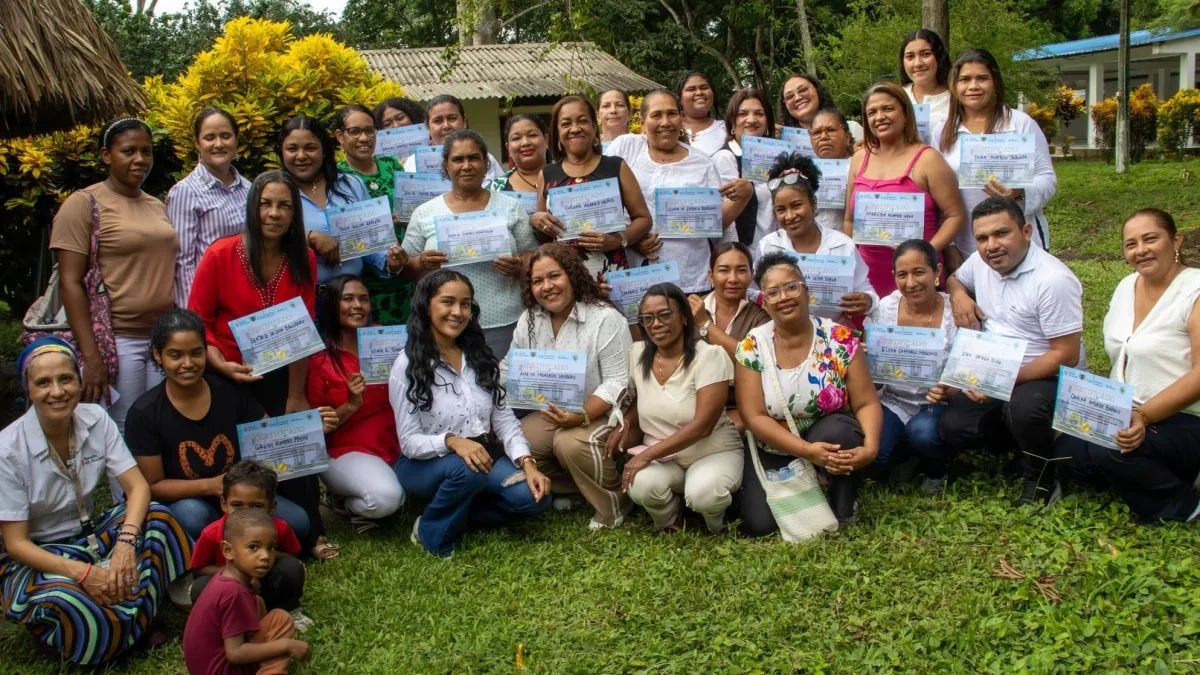
A human rights project has been implemented in the Montes de María region of Colombia, specifically targeting the municipalities of María La Baja, Mahates, and San Juan Nepomuceno in the Bolívar department. The initiative's primary goal was to empower vulnerable communities, with a particular focus on restoring dignity and giving a voice to women. By providing education and resources related to human rights, the project aims to equip individuals with the knowledge and tools to advocate for themselves and their communities. This effort seeks to address systemic inequalities and promote greater social justice in the region. The program's success is measured by its ability to foster a sense of agency and self-determination among participants. It is designed to create lasting positive change by strengthening community resilience and promoting a culture of respect for human rights. The project's approach emphasizes participatory methods, ensuring that the needs and perspectives of the local population are central to its activities. Ultimately, the initiative strives to build a more equitable and just society in Montes de María.
This human rights initiative in Colombia's Montes de María region demonstrates a strategic approach to community empowerment, particularly for women in vulnerable areas. By focusing on education and advocacy, the project aims to address historical marginalization and foster self-determination. The long-term impact will depend on the sustainability of these programs and their integration into broader governance structures. Evaluating the project's success requires considering not only immediate gains in dignity and voice but also measurable improvements in socio-economic indicators and the reduction of systemic vulnerabilities over the next decade. The initiative highlights the critical role of localized, rights-based interventions in building resilient communities capable of navigating future societal and technological shifts.
AI-generated to prompt reflection — not editorial opinion, not advice, not a statement of fact. How this works.