Human rights trial: Arguments begin against Obaidul Quader and six others
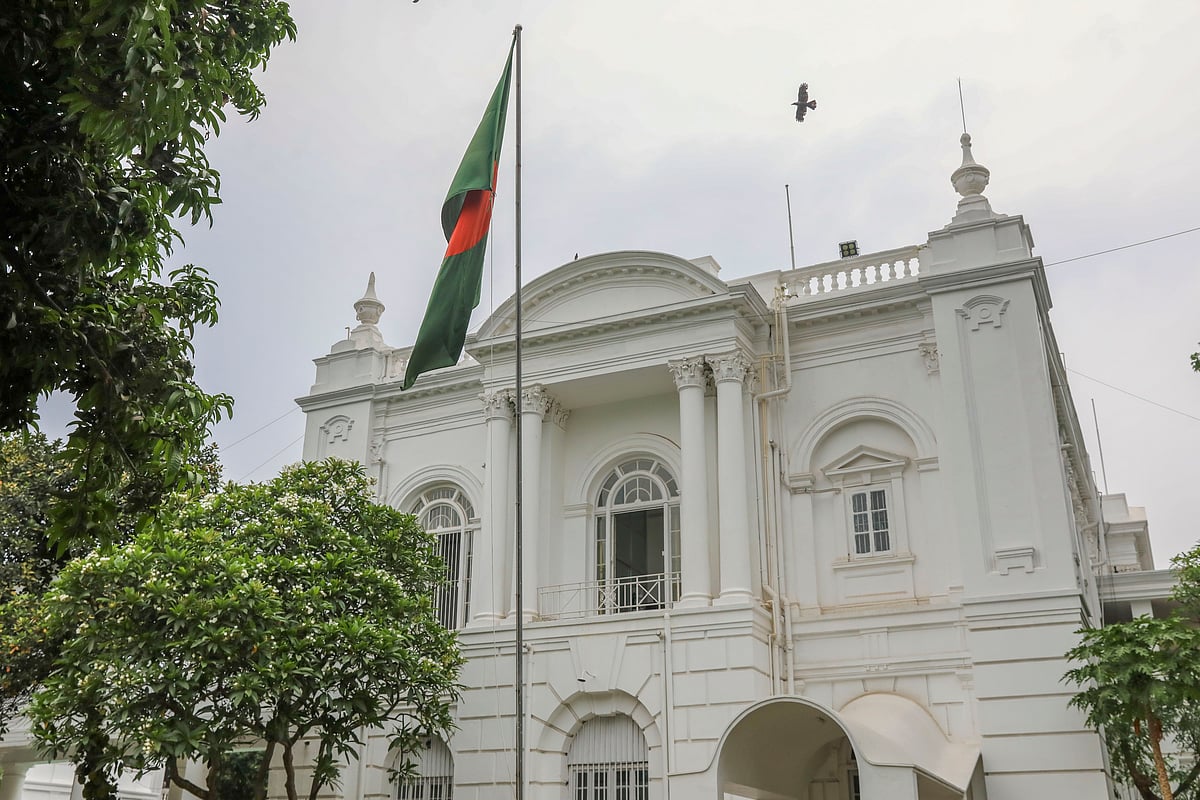
Arguments commenced on Tuesday at International Crimes Tribunal-2 in a case concerning crimes against humanity during the July uprising. The prosecution presented its arguments on the first day of proceedings. Prosecutor Gazi Monawar Hossain Tamim informed reporters that the prosecution's initial argument is that the crimes committed during the July uprising were systematic and widespread. He stated that Obaidul Quader, the General Secretary of the Awami League, incited the student wing of the party, Bangladesh Chhatra League, during the uprising. According to Gazi Monawar, following Quader's provocative statements, Chhatra League and Juba League cadres attacked ordinary students, particularly at Dhaka University. The other defendants in this case, besides Obaidul Quader, are Awami League Joint General Secretary AFM Bahauddin Nasim, former State Minister for Information and Broadcasting Mohammad Ali Arafat, Juba League Chairman Sheikh Fazle Shams Parash, Juba League General Secretary Mainul Hossain Khan, and Chhatra League Central President Saddam Hossain and General Secretary Sheikh Wali Asif. All seven defendants are currently absconding.
This case involves serious allegations of human rights violations during a period of significant political upheaval. The prosecution's focus on systematic and widespread crimes, coupled with specific accusations against political leaders for inciting violence through party affiliates, highlights a potential pattern of state-sanctioned or party-directed actions. The fact that all accused are absconding raises questions about accountability and the effectiveness of legal processes when defendants are outside the jurisdiction or evade judicial proceedings. Moving forward, the legal system faces the challenge of ensuring due process while addressing historical grievances and establishing a precedent for accountability in political violence. The long-term implications involve the potential for reconciliation or further division, depending on the fairness and transparency of the judicial outcome and its perceived legitimacy by various societal factions.
AI-generated to prompt reflection — not editorial opinion, not advice, not a statement of fact. How this works.
