Human Tetragametic Chimerism: Two Genetic Identities in One Body
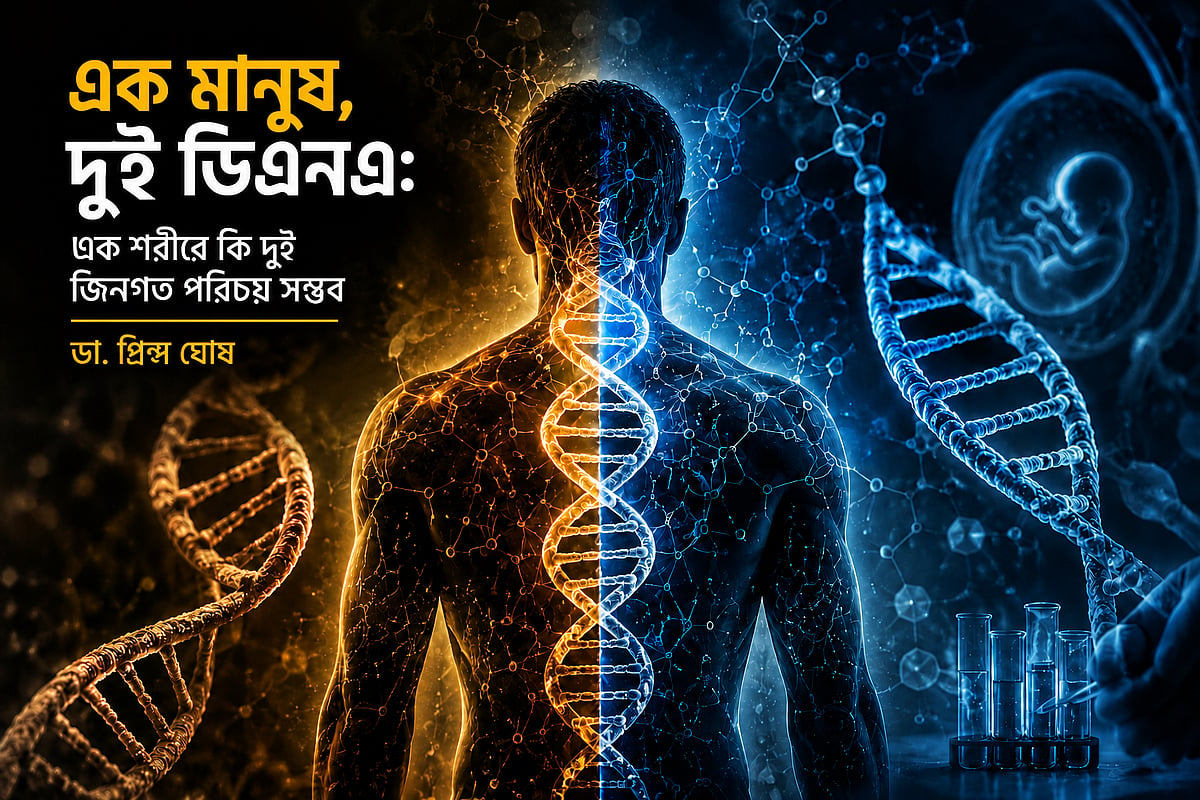
Tetragametic chimerism is a rare condition where two fertilized eggs fuse early in development to form a single embryo. This results in a person who appears outwardly normal but possesses two distinct genetic identities within their body. Each cell in the body originates from one of the two original zygotes, leading to a mosaic of tissues with different genetic makeups. While the individual has a single physical form, their internal genetic landscape is essentially a blend of two unique individuals. This phenomenon highlights the complex processes of early embryonic development and the potential for genetic diversity within a single organism. The condition is named after the Greek word 'chimera,' a mythical creature composed of parts from different animals, reflecting the mixed genetic nature of individuals with this condition.
Tetragametic chimerism presents a fascinating biological case study, underscoring the intricate and sometimes unexpected pathways of human development. From a systems perspective, it illustrates the robustness of biological processes that can integrate distinct genetic material into a single viable organism. Understanding such phenomena offers insights into cellular differentiation and the potential for genetic mosaicism, which could have implications for future medical research, particularly in areas like transplantation and personalized medicine. The existence of such conditions challenges simplistic notions of genetic identity and prompts consideration of how biological diversity manifests at the most fundamental levels.
AI-generated to prompt reflection — not editorial opinion, not advice, not a statement of fact. How this works.