Humanity Transcends Borders: A Bangladeshi's Experience in China
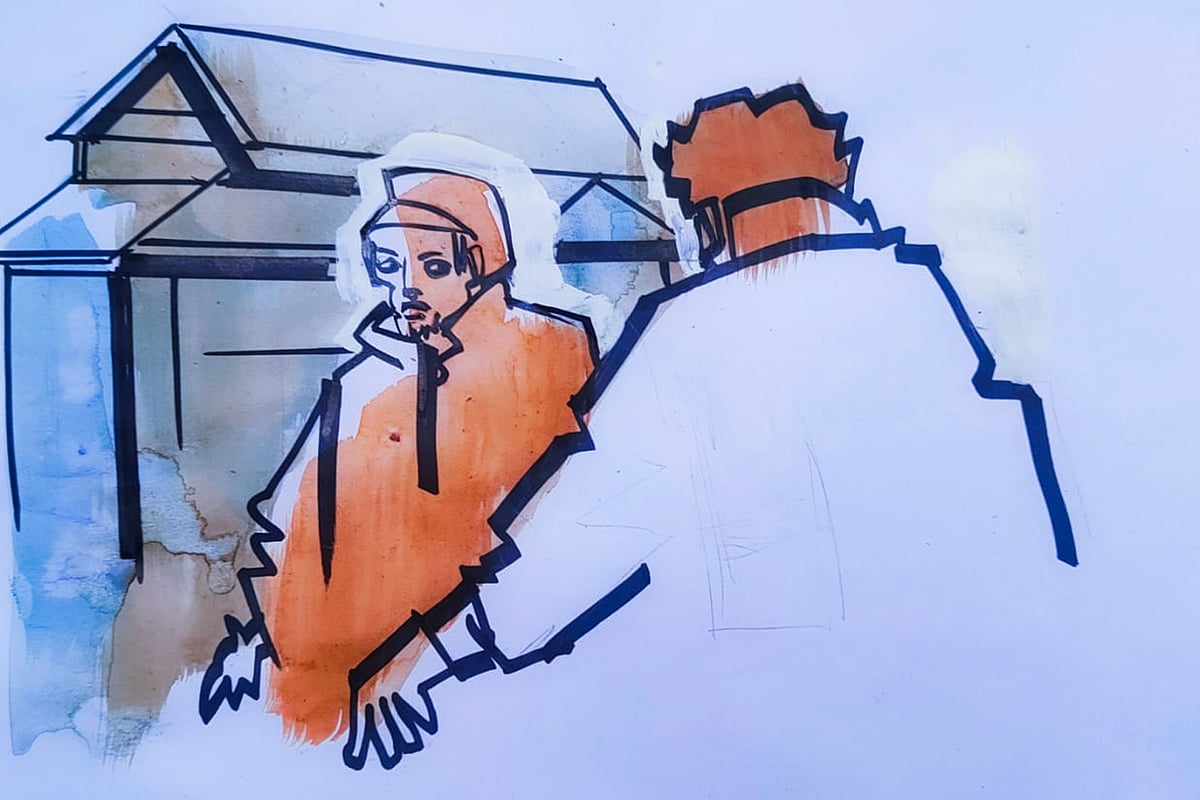
A Bangladeshi individual, Farhad Rahman Ramim, shares his profound experiences navigating life in China as an expatriate starting 1 year, 5 months, and 15 days ago. Initially arriving with limited Mandarin vocabulary and facing significant cultural and linguistic barriers, Ramim found unexpected support and kindness from locals. He recounts his first eight months in Kunshan, Jiangsu province, a period marked by challenging weather, an unfamiliar environment, and feelings of isolation. During this time, he was embraced by individuals who offered him support without expectation. A local man, whom Ramim called 'Athai,' treated him like family, accompanying him on outings, assisting with daily tasks, and taking him to halal restaurants. This individual even spent his own money to buy Ramim necessities, referring to him as 'brother.'
Ramim also highlights the crucial role of 'Miss Wu' at his workplace, who acted as a maternal figure. She provided extensive assistance with practical matters like finding housing and purchasing appliances, and offered emotional support during difficult times, encouraging him to save money. Even after Ramim moved to Suzhou, Miss Wu continued her support, helping with packing, arranging transportation, and lending him money for his new apartment's advance rent. He also found solace in a neighborhood eatery owner, a woman whose name he doesn't know, who provided him with meals at a minimal cost or even for free, showing deep concern for his well-being, reminiscent of a mother's care.
In Suzhou, Ramim continued to encounter remarkable individuals. 'Miss Xiao Wei' dedicated time daily to teach him basic Mandarin and assisted with various daily tasks, including online shopping and courier services. Another colleague, a graphic designer, once guided him through a stressful situation when he mistakenly boarded the wrong train, coordinating with local police to ensure his safe return. The head of his workplace, whom he admires as 'Beauty with Brain,' provided him with a desk near hers for easier communication and to alleviate his discomfort in a large work environment. These experiences have taught Ramim that love, compassion, and respect are universal languages that transcend linguistic, cultural, and religious differences. He believes the greatest strength of China lies not just in its development but in the inherent humanity and magnanimity of its ordinary people.
This narrative powerfully illustrates the concept of universal human connection transcending national and cultural divides. The author's journey from isolation to integration, facilitated by acts of kindness, underscores the critical role of interpersonal relationships in mitigating the challenges of globalization and migration. While China is often assessed through its economic and infrastructural advancements, this personal account highlights the profound impact of its citizens' inherent compassion and magnanimity. This perspective suggests that fostering such humanistic values among populations is as crucial for societal progress as economic development. The author's deep gratitude and heartfelt prayers for his benefactors serve as a testament to the enduring power of empathy in building bridges between diverse communities. Future societal models may benefit from prioritizing and amplifying these 'soft power' elements of human connection, recognizing them as fundamental drivers of social cohesion and individual well-being in an increasingly interconnected world.
AI-generated to prompt reflection — not editorial opinion, not advice, not a statement of fact. How this works.