Humanoid Robots Face Cost Hurdles for Widespread Factory Adoption
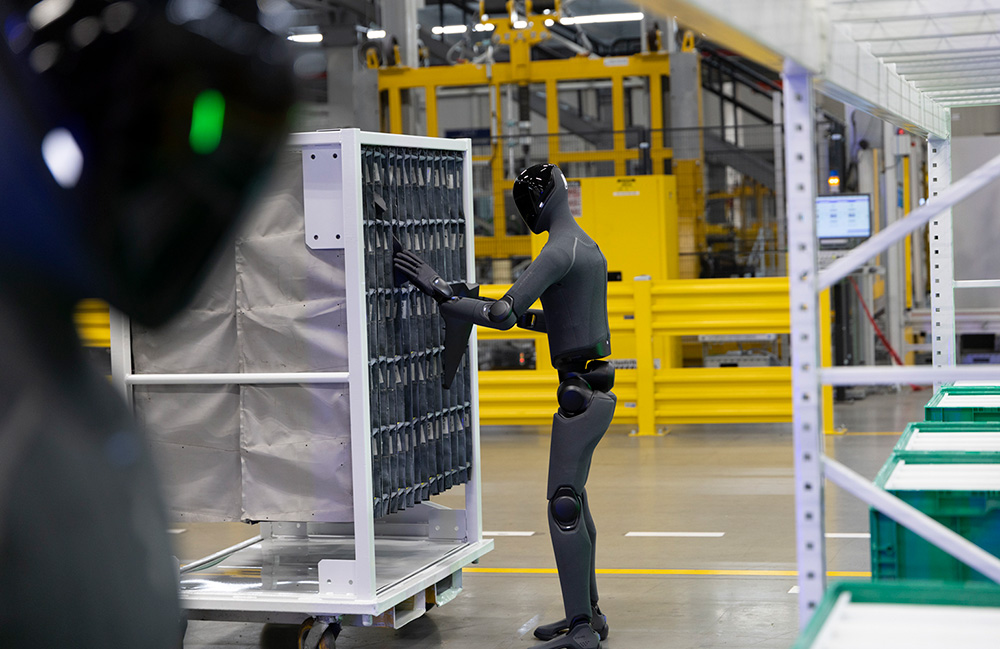
The widespread adoption of humanoid robots in factory settings is contingent on a significant reduction in their costs. Currently, the primary challenge is proving that these advanced robots can offer a more economically viable solution compared to existing automation technologies already in use by manufacturers. The race to commercialize humanoid robots is intense, but their economic competitiveness remains the key factor determining their scalability on factory floors. Until the cost-benefit analysis clearly favors humanoids over current automation, their widespread implementation is unlikely. The industry is focused on demonstrating the economic advantages necessary for mass deployment.
The development of humanoid robots presents a classic technological adoption challenge, where innovation must align with economic feasibility. While the potential for versatile, human-like automation is significant, its integration into industrial settings will be dictated by a rigorous cost-benefit analysis against established automation solutions. Market forces will ultimately determine the pace of adoption, favoring technologies that demonstrably improve productivity and reduce operational expenses over the long term. The next decade will likely see intense competition and innovation focused on driving down manufacturing costs for these robots, alongside developing compelling use cases that justify their investment.
AI-generated to prompt reflection — not editorial opinion, not advice, not a statement of fact. How this works.
