Humanoid Robots Successfully Perform Surgery on Animals
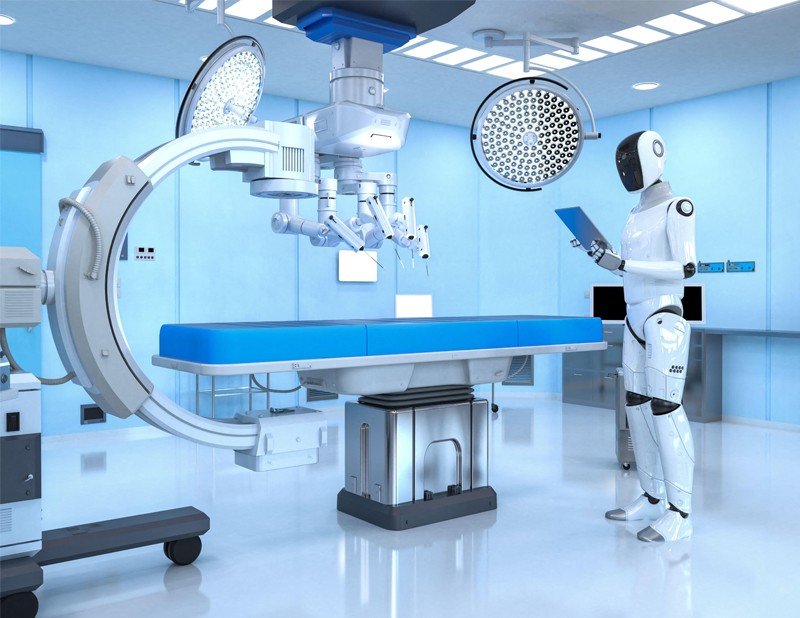
Humanoid robots have demonstrated their capability by successfully performing surgical procedures on animals. This significant advancement marks a new frontier in robotic-assisted surgery, potentially paving the way for future applications in human medicine. The robots were able to execute complex maneuvers with precision, indicating a high level of dexterity and control. This development could lead to improved surgical outcomes and reduced recovery times for patients. Further research and testing are expected to refine the technology and explore its full potential. The successful animal trials are a crucial step towards validating the safety and efficacy of humanoid robots in surgical environments. This innovation highlights the rapid progress in artificial intelligence and robotics, pushing the boundaries of what is possible in healthcare.
The successful deployment of humanoid robots in animal surgery represents a significant technological leap, showcasing the increasing sophistication of AI in performing intricate tasks. This development suggests a future where robotic systems could augment or even lead surgical teams, potentially improving precision and accessibility in healthcare. However, the transition to human surgery will necessitate rigorous ethical and regulatory oversight, addressing concerns around accountability, patient safety, and the potential displacement of human surgeons. The long-term implications involve a redefinition of surgical practice, emphasizing the need for robust training protocols for both human and robotic elements within the operating room.
AI-generated to prompt reflection — not editorial opinion, not advice, not a statement of fact. How this works.