Humanoid Robots Successfully Perform Surgery on Living Animal Using Standard Medical Tools
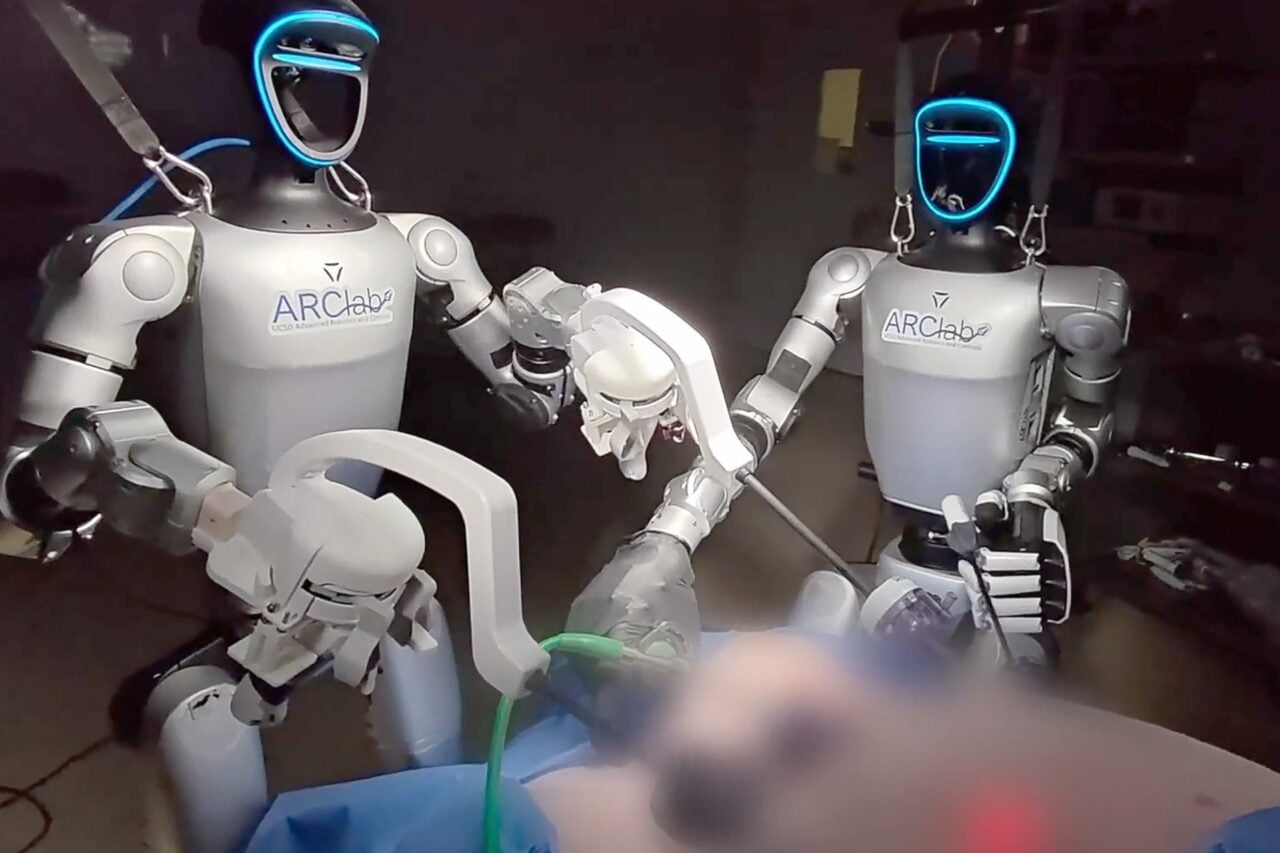
In a groundbreaking first, two humanoid robots have successfully performed surgery on a living animal utilizing standard medical instruments and their own robotic hands. This marks a significant advancement in the field of robotic surgery, demonstrating the capability of these advanced machines to operate with precision using conventional surgical tools. The robots were able to execute the complex procedures, showcasing a level of dexterity and control previously unseen in autonomous surgical systems. This development opens new avenues for potential applications in human medicine, where such robots could assist or even perform delicate operations. The successful surgery on a living animal signifies a critical step towards validating the safety and efficacy of humanoid robots in clinical settings. Further research and development are expected to refine these capabilities.
This development represents a significant leap in surgical automation, moving beyond specialized robotic systems to general-purpose humanoid robots. The ability to use standard medical tools suggests a potential for greater flexibility and adaptability in diverse surgical environments, reducing reliance on bespoke equipment. From a systems perspective, this advancement could alleviate surgeon shortages and improve access to care in remote or underserved areas. However, careful consideration of ethical frameworks, regulatory oversight, and the long-term implications for the surgeon's role will be crucial as this technology matures. The integration of AI for real-time decision-making and error correction will be a key factor in determining the ultimate impact and widespread adoption of such robotic surgical systems over the next decade.
AI-generated to prompt reflection — not editorial opinion, not advice, not a statement of fact. How this works.