Humans and Great Apes Share Similar Rhythmic Laughter Patterns
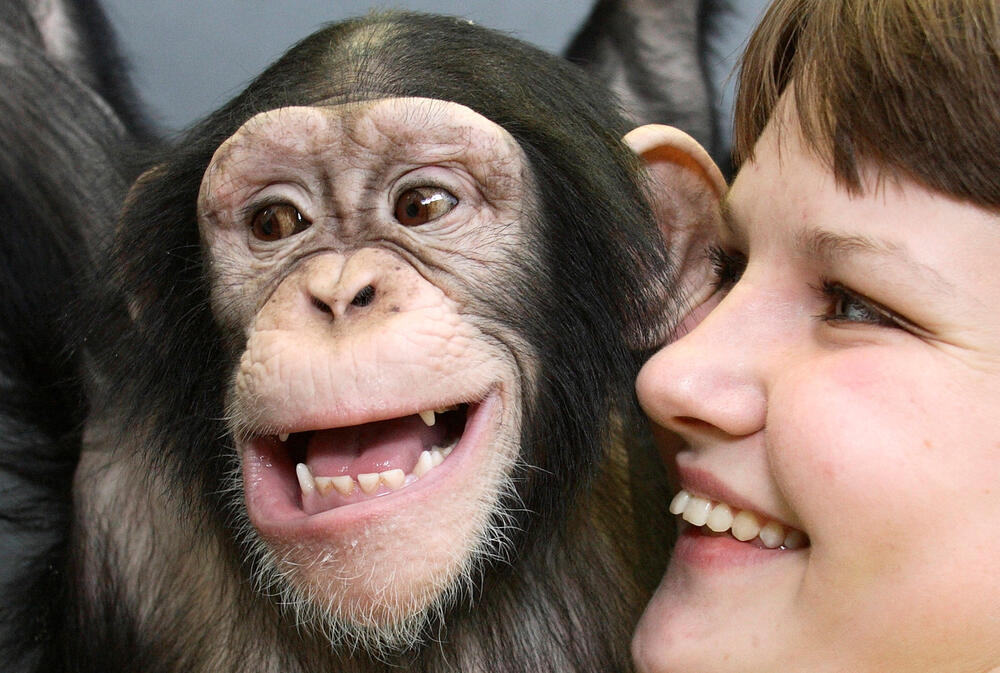
Researchers have discovered that humans and great apes exhibit similar rhythmic patterns in their laughter. The study involved analyzing recordings of laughter from four chimpanzees, three bonobos, two gorillas, four orangutans, and four humans. Scientists measured the time intervals between each burst of sound across a total of 140 laughter sequences. The recordings of the apes were captured in their natural environments within zoos located in Germany and Malaysia. These laughter instances occurred while the apes were playing or being gently tickled by their familiar human caretakers. This comparative analysis suggests a shared evolutionary basis for vocalizations associated with positive emotional states.
This research highlights a potential shared evolutionary pathway for vocal communication related to positive affect in primates. By quantifying the rhythmic structure of laughter, scientists are moving beyond subjective interpretation to objective, data-driven comparisons. Understanding these underlying patterns could offer insights into the development of social bonding and communication across species. The study's methodology, focusing on measurable temporal characteristics, provides a robust framework for future cross-species vocalization research. Examining these similarities may also inform our understanding of the origins of human language and complex social behaviors.
AI-generated to prompt reflection — not editorial opinion, not advice, not a statement of fact. How this works.