Humans and Rodents Share Similar Olfactory Mechanisms
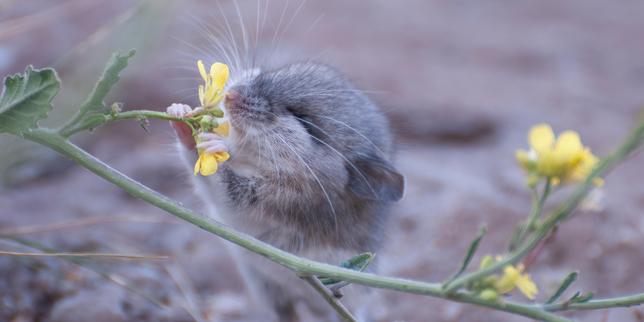
Contrary to initial assumptions about differing breathing patterns, two American research teams have revealed that humans and mice possess a shared olfactory architecture. This finding suggests a deeper biological connection in how these species perceive smells. The research indicates that the apparent differences in inhalation—such as the quick sniffs of rodents versus the longer, voluntary inhalations of humans—do not reflect fundamental divergences in their sense of smell. Instead, the underlying mechanisms for detecting odors are remarkably similar across these species. This discovery challenges previous understandings of olfactory perception and highlights a common evolutionary pathway for scent detection. The implications of this shared mechanism could extend to various fields, including neuroscience, comparative biology, and potentially even the development of new scent-detection technologies. Further research is expected to explore the precise molecular and neural pathways involved in this shared olfactory system.
This research challenges anthropocentric views of sensory perception by demonstrating a fundamental similarity in olfactory processing between humans and rodents. The study's findings suggest that evolutionary pressures have conserved key components of the scent detection system, implying that insights gained from rodent models may be more directly applicable to human olfaction than previously thought. Understanding these shared mechanisms could inform future research into olfactory disorders, the development of artificial olfaction systems, and our broader comprehension of how biological systems interact with environmental stimuli. The convergence of olfactory architecture across species underscores the power of natural selection in optimizing essential biological functions.
AI-generated to prompt reflection — not editorial opinion, not advice, not a statement of fact. How this works.