Humpback whale and rays spotted in Brazil's Paranaguá Bay, a World Heritage site
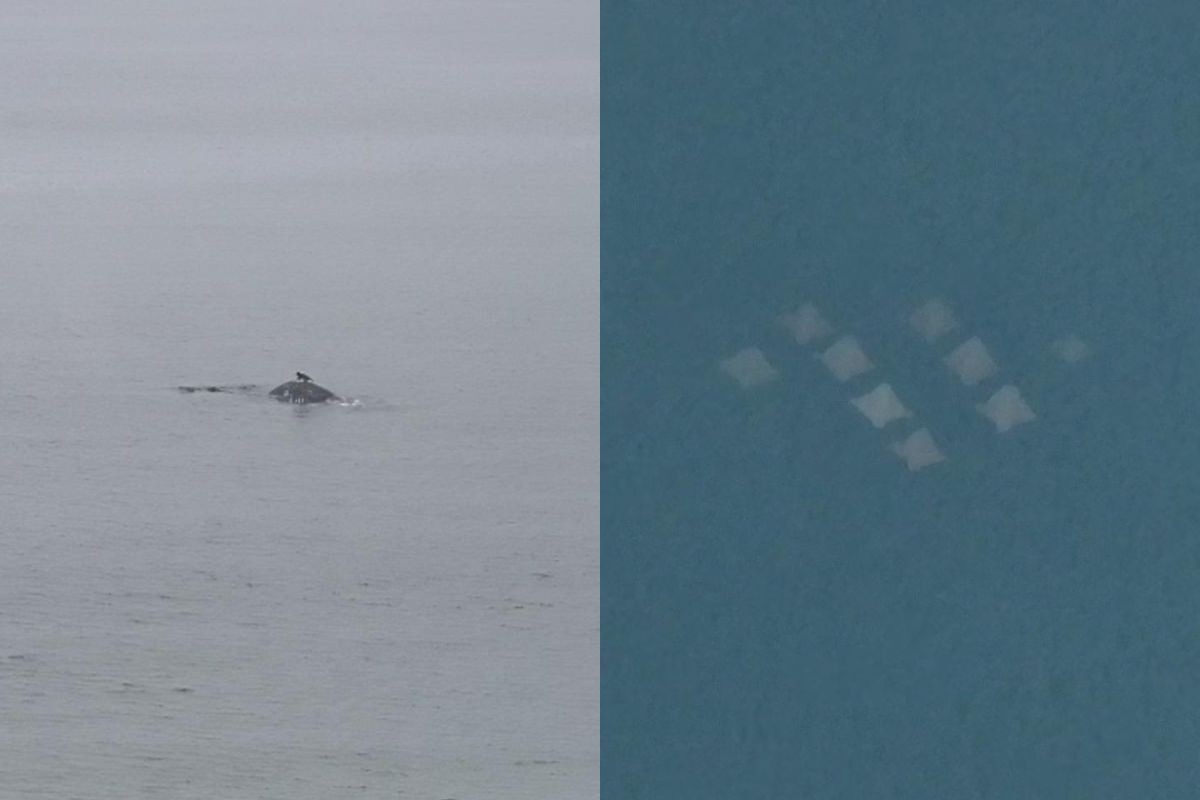
Environmental engineer Ivo Reck captured drone footage of a humpback whale and a group of rays in Paranaguá Bay, located on the coast of Paraná, Brazil. The sighting occurred on Sunday, May 5th. Paranaguá Bay is part of the Atlantic Forest region, designated a UNESCO World Natural Heritage site in 1999. Reck waited for approximately three hours on Ilha das Peças before observing the humpback whale around 10 AM. He expressed a deep affection for these animals and emphasized the importance of human preservation efforts to ensure a safe environment for them. The drone footage was filmed from over 100 meters high to avoid disturbing the whale. Later that same day, Reck encountered and recorded a group of rays while returning the drone. He described the rays as incredible, curious, and beautifully organized in a geometric formation. According to the Marine Biodiversity Recovery Program (REBIMAR), migratory species, including whales and rays, frequent the Great Atlantic Forest Reserve during winter. This area provides them with food and safe resting places. Renata Daldin Leite, a researcher with REBIMAR, explained that the bay serves as a vital nursery and refuge for various species, particularly rays, offering abundant food and protection. She highlighted that rays are sentinel species, and their health reflects the overall well-being of the ecosystem.
The observation of a humpback whale and rays within the Paranaguá Bay, a UNESCO World Heritage site, underscores the ecological significance of this protected marine area. The engineer's use of drone technology at a safe distance demonstrates a growing awareness of minimizing human impact on wildlife. However, the continued presence of migratory species, even in designated reserves, highlights the ongoing challenges of habitat protection and the need for robust conservation strategies. As climate change and human activities exert pressure on marine ecosystems, understanding the role of these areas as 'nurseries' and 'refuges' becomes critical for the long-term survival of sentinel species like rays, which serve as indicators of broader environmental health.
AI-generated to prompt reflection — not editorial opinion, not advice, not a statement of fact. How this works.