Humpback whale leaps in Maracaípe, thrilling local fishermen
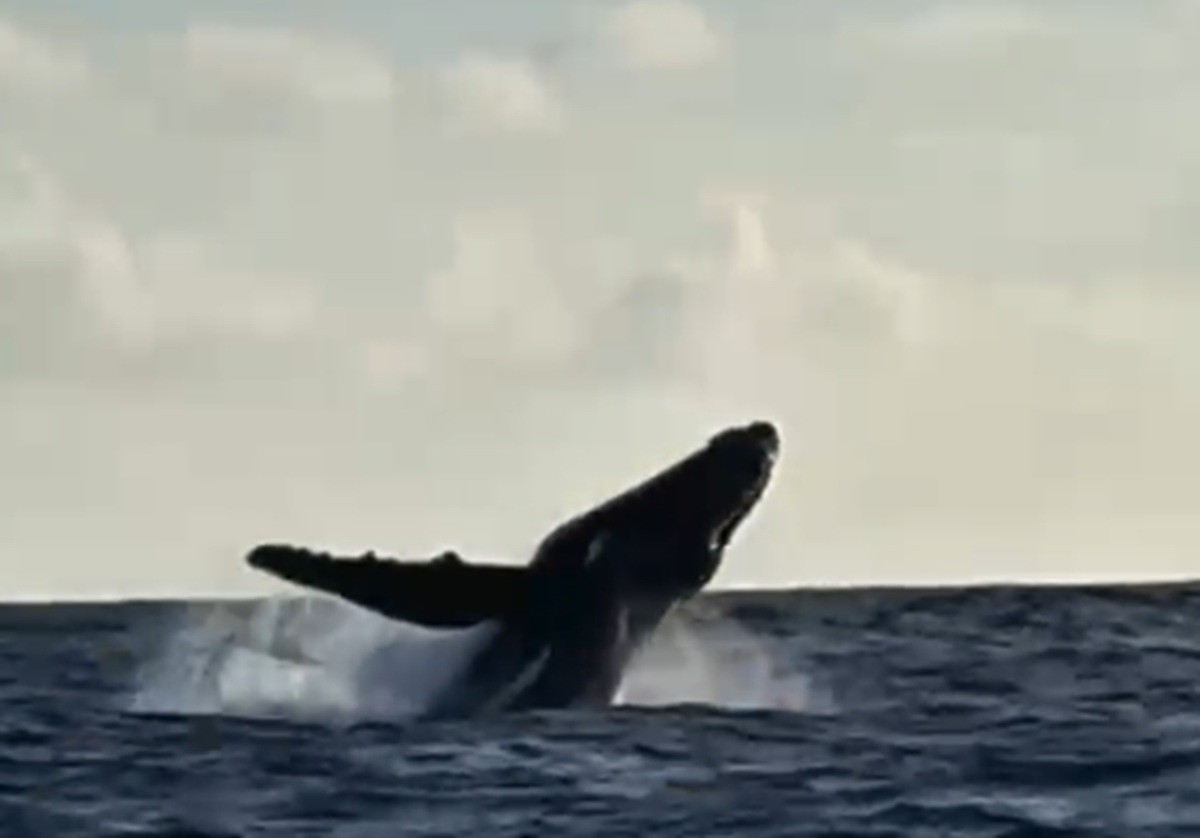
Two fishermen in Maracaípe, Pernambuco, Brazil, experienced a remarkable natural spectacle when a humpback whale approached their boats and began leaping out of the water. The breathtaking display, captured on video by fisherman Júnior Chalaça on Wednesday morning, August 15th, elicited excitement from the local fishermen, who expressed awe at the animal's beauty and agility. Chalaça, a resident of the tourist beach in Ipojuca, Grande Recife, had previously filmed whales in the area in August of the prior year. He encountered the humpback while fishing around 7 AM, with a friend, Natalício, also a fisherman, present on a nearby boat. The video shows the whale performing at least two impressive jumps. Chalaça recounted seeing a lone whale the previous evening, but it was too distant to film. This time, the whale, described as large, appeared suddenly, prompting him to quickly grab his phone to record. He typically fishes up to 18 kilometers offshore and noted another, more timid whale nearby. The whale's performance lasted approximately five minutes. According to the Humpback Whale Project, this species (Megaptera novaeangliae) is known for its acrobatic behavior and can reach lengths of 16 meters and weigh up to 40 tons. Their presence along the Northeast coast of Brazil is common during the breeding season, which runs from mid-June to October. On the same day Chalaça filmed his encounter, a procession of humpback whales also marked the beginning of whale season in Fernando de Noronha. Chalaça described the experience as a privilege, expressing emotional awe at the perfection of nature and divine creation, highlighting that such moments are a regular blessing for him.
The sighting of a humpback whale engaging in acrobatic displays off the coast of Maracaípe highlights the ecological richness of the region and the potential for wildlife tourism. The fishermen's enthusiastic response underscores the human connection to natural phenomena and the value placed on such encounters. From a conservation perspective, the recurring presence of humpback whales, particularly during their breeding season between June and October, indicates successful migratory patterns and potentially a healthy population. This event reinforces the importance of marine protected areas and responsible ecotourism practices to ensure the continued well-being of these magnificent creatures and the economic benefits they can bring to local communities. Future management strategies should consider how to balance human interaction with the whales' natural behaviors to minimize disturbance while maximizing educational and economic opportunities.
AI-generated to prompt reflection — not editorial opinion, not advice, not a statement of fact. How this works.