Humpback Whale Season Begins in Bahia: Where and How to Spot Them
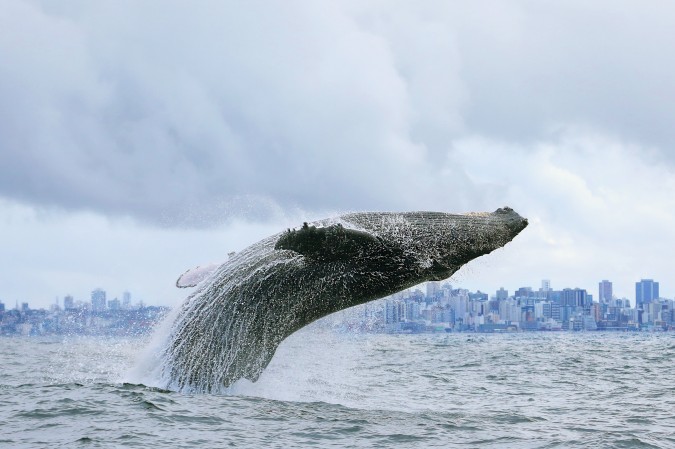
The humpback whale season has officially commenced along the coast of Bahia, Brazil, with a fixed observation point opening at the Farol da Barra in Salvador on Wednesday, July 15th. These majestic marine mammals are increasingly approaching the Brazilian coast during their reproduction period, which spans from July to October. Sightings are expected in at least six Bahian cities, offering unique opportunities for wildlife enthusiasts. Tourists in Morro de São Paulo recently had an exciting encounter, spotting a humpback whale and a pod of dolphins during a boat tour. The Projeto Baleia Jubarte (Humpback Whale Project) recommends several tour operators for safe and responsible whale watching. In Salvador, visitors can utilize the observation post at Farol da Barra, which includes an exhibition and the opportunity to use binoculars with assistance from project staff. Boat tours are also available from Salvador with operators like Apolonio Turismo and Shark, departing from the Terminal Náutico Turístico. Other prime locations for whale watching include Itacaré, Praia do Forte, Porto Seguro, Comuruxatiba, Prado, and Caravelas, each offering distinct tour packages and experiences, with varying durations and prices. Some tours cater to families, with specific pricing for children, while others have age restrictions. The Abrolhos Adventure in Caravelas provides diverse options, from day trips to multi-day stays with diving and meals included.
The annual migration and reproduction cycle of humpback whales in Bahia highlights the growing importance of marine ecotourism. This phenomenon presents a dual opportunity: fostering economic activity through tourism and promoting conservation awareness. The increasing proximity of whales to the coast, as noted by Projeto Baleia Jubarte, suggests potential shifts in marine ecosystems or their migratory patterns, warranting continued scientific monitoring. Responsible tourism practices, emphasizing minimal disturbance to the animals, are crucial to ensure the long-term sustainability of both the whale population and the associated tourism industry. Future challenges may involve balancing increased visitor numbers with the need to protect sensitive breeding grounds and mitigate potential human-wildlife conflict.
AI-generated to prompt reflection — not editorial opinion, not advice, not a statement of fact. How this works.