Hundreds of Dead Fish Found in Cuniã Lake, ICMBio Investigates Causes
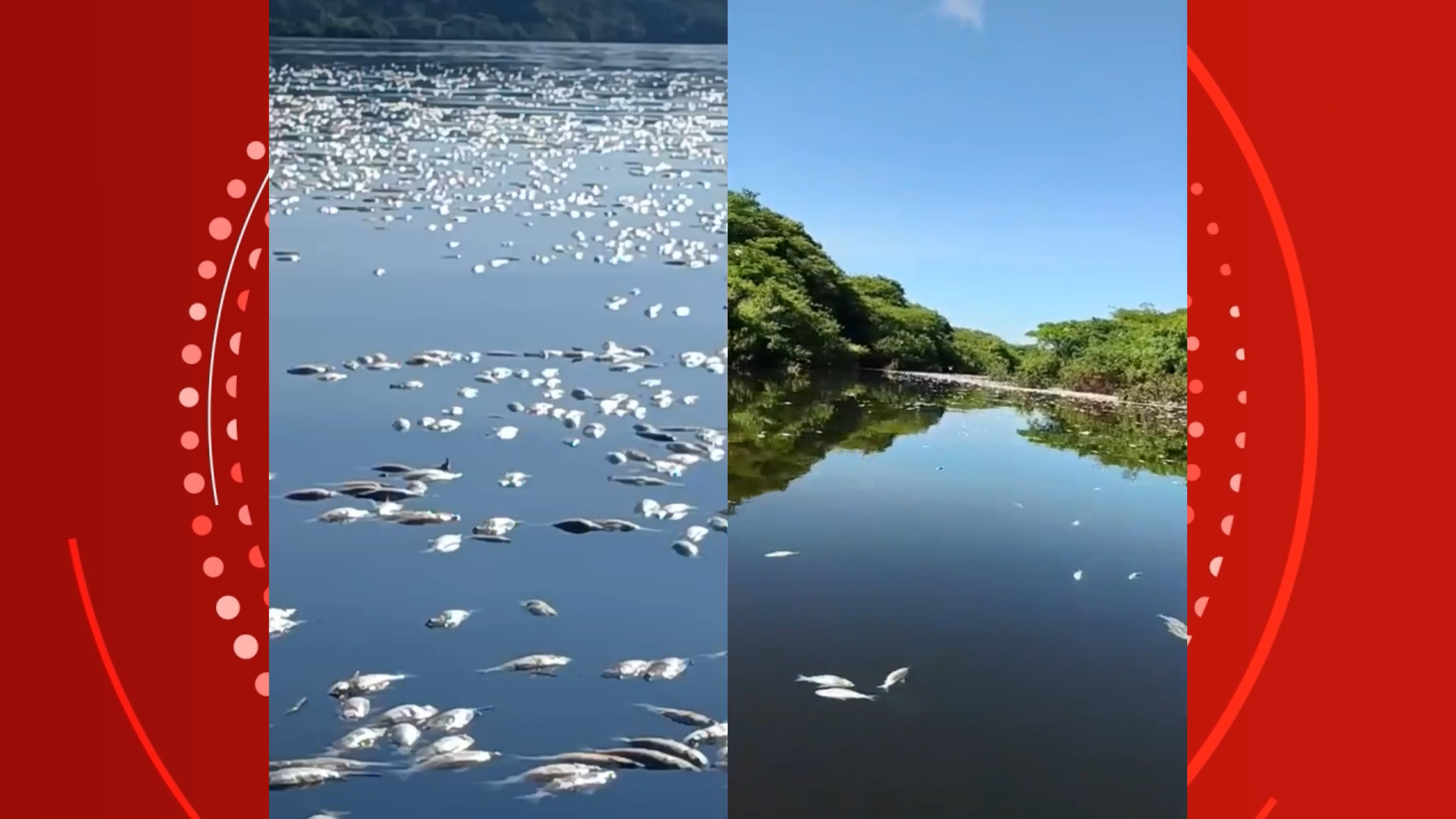
Hundreds of dead fish have been discovered in the Cuniã Lake, located within the Extractive Reserve (Resex) Lago do Cuniã in Porto Velho, Brazil. The incident gained significant attention after local residents shared videos showing the deceased fish floating on the water's surface. The Chico Mendes Institute for Biodiversity Conservation (ICMBio) is currently investigating the causes of this mass mortality event. According to the ICMBio, such phenomena are typically observed between June and July. The majority of the dead fish identified belong to the 'branquinha' species, part of the Curimatidae family, which is one of the most abundant species in the lake. This species is known to be particularly sensitive to sudden temperature fluctuations and drops in dissolved oxygen levels in the water. Researchers from the Federal University of Rondônia (Unir) will analyze water samples to determine the exact cause, with a primary hypothesis pointing to a sharp decrease in dissolved oxygen. This reduction in oxygen is believed to be caused by changes in the lake's physical and chemical conditions, potentially exacerbated by the accumulation of organic matter, high temperatures, and rainwater carrying debris. This decomposition process consumes oxygen, leading to hypoxia or anoxia, which makes breathing difficult for fish and can result in death. The Resex Lago do Cuniã is home to approximately 115 families who rely on fishing and other subsistence activities. The ICMBio's investigation aims to provide guidance to residents regarding the causes and potential impacts of this fish kill.
This event highlights the ecological fragility of Amazonian várzea lakes, which are susceptible to oxygen depletion due to natural cycles and anthropogenic pressures. The investigation into organic matter accumulation and temperature fluctuations suggests a complex interplay of environmental factors. While ICMBio's preliminary hypotheses focus on natural processes, understanding the scale and frequency of such events is crucial for long-term ecosystem health and the livelihoods of local communities. Future management strategies may need to consider the cumulative impacts of climate change and potential upstream land-use alterations that could increase organic load and alter water quality, thereby exacerbating the risk of fish mortality in these vital aquatic ecosystems.
AI-generated to prompt reflection — not editorial opinion, not advice, not a statement of fact. How this works.