Hundreds of Russian Bombs Accidentally Dropped on Russian Territory Since Ukraine Invasion
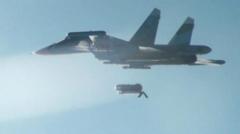
Since Russia's full-scale invasion of Ukraine began in February 2022, Russian warplanes have accidentally dropped at least 334 bombs on Russian territory or occupied areas of Ukraine. The independent media outlet 'Astra' has estimated this figure. According to Astra, at least 26 bombs have been lost in this manner in the current year alone. These incidents highlight a concerning pattern of operational errors within the Russian military during the ongoing conflict. The accidental drops have occurred across various regions within Russia and in territories it occupies in Ukraine. The frequency of these events suggests potential issues with targeting systems, pilot error, or equipment malfunction. The total number of lost munitions underscores the significant collateral risk associated with these military operations, even when not directly targeting enemy territory. This situation raises questions about the Russian military's internal safety protocols and the potential for unintended consequences arising from its actions in Ukraine.
The recurring accidental deployment of munitions by Russian warplanes onto its own territory or occupied zones suggests systemic issues within the Russian military's operational procedures and equipment reliability. This pattern, continuing since February 2022, indicates potential vulnerabilities in targeting systems, pilot training, or maintenance protocols. Such incidents not only pose risks of unintended damage and casualties within Russian-controlled areas but also reflect on the overall command and control effectiveness during prolonged military operations. In the context of the ongoing conflict, these errors could inadvertently divert resources and attention, while also potentially impacting public perception and trust in military safety. The long-term implications may involve a reassessment of military logistics, training standards, and technological safeguards to mitigate future occurrences and ensure operational integrity.
AI-generated to prompt reflection — not editorial opinion, not advice, not a statement of fact. How this works.