Hundreds of Special Education Students Stressed by Canceled State Exams
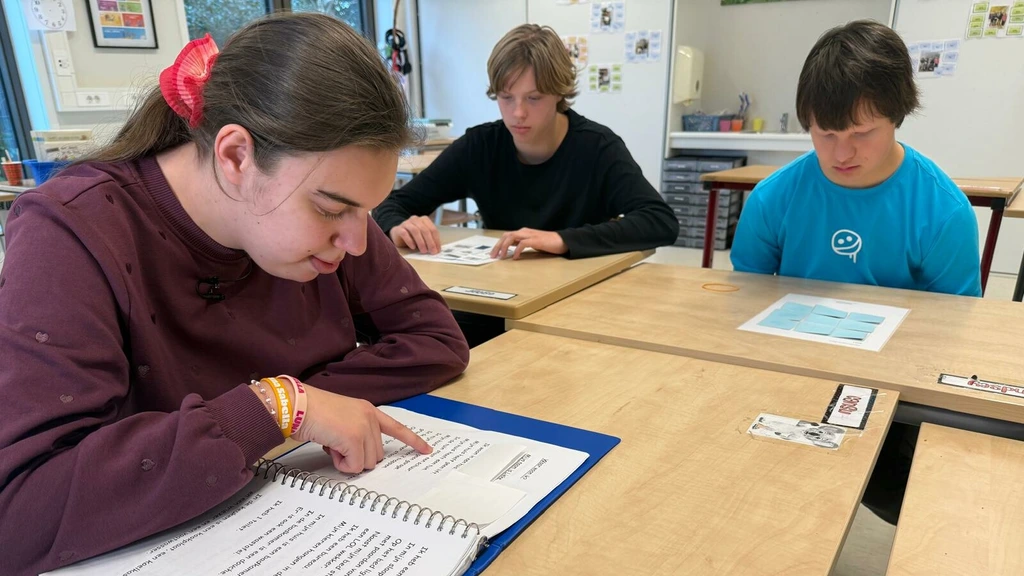
Hundreds of students in special education (vso) are facing significant stress due to the cancellation of 678 oral state examinations. These exams, originally scheduled for last week, were postponed due to a 'code red' situation and are now rescheduled for July 18 and the end of August. This delay means students will have to take their exams during their summer break, impacting their ability to relax and prepare for future studies or employment. Annette van der Poel, administrator at Orion College Drostenburg in Amsterdam, described the situation as 'unprecedented,' noting that diploma ceremonies are happening while many students still await their exams. Director Agnita Kingma highlighted the substantial impact on students, who will miss out on typical holiday activities and instead face the burden of studying and carrying necessary materials like books and laptops. Sixteen-year-old student Bobbie expressed frustration over the extended period of academic focus, while another student, Dana, is relieved to potentially test in July but dislikes continuing studies during vacation. The College of Tests and Examinations (CvTE) attributes the delay to a shortage of examiners, with approximately 1500 needed for the 30,000 oral exams across 118 vso schools in June and July. The LBVSO, an advocacy group for vso students, is calling for an emergency plan to increase capacity, suggesting that teachers from mainstream education could assist and that examiners familiar with students should be allowed to administer the tests, overriding the current rule that prohibits independent teachers from examining their own students. Students are concerned about potential issues with job applications or starting further education without timely diploma confirmation, as most programs require diplomas by August 31. The Ministry of OCW acknowledges the complexity of rescheduling but assures that the CvTE is working diligently to resolve the situation, with most students expected to test in July.
The disruption of state examinations for special education students highlights systemic challenges in educational resource allocation and emergency preparedness. The reliance on a limited pool of examiners and the strict adherence to independence rules, while intended to ensure fairness, create inflexibility during unforeseen circumstances. This situation underscores the need for adaptive examination frameworks that can scale capacity rapidly, potentially by leveraging technology or alternative assessment models, without compromising integrity. The conflict between regulatory requirements and the practical needs of students, particularly those in specialized educational settings, points to a governance gap. Future planning should incorporate contingency measures that prioritize student progression and well-being, recognizing the diverse support structures these students require. The incident also raises questions about the long-term implications of such disruptions on student confidence and their integration into higher education or the workforce, suggesting a need for more robust support systems and clearer communication protocols between educational bodies, ministries, and educational institutions.
AI-generated to prompt reflection — not editorial opinion, not advice, not a statement of fact. How this works.