Hundreds of Unaccompanied Minors Stranded in Ceuta
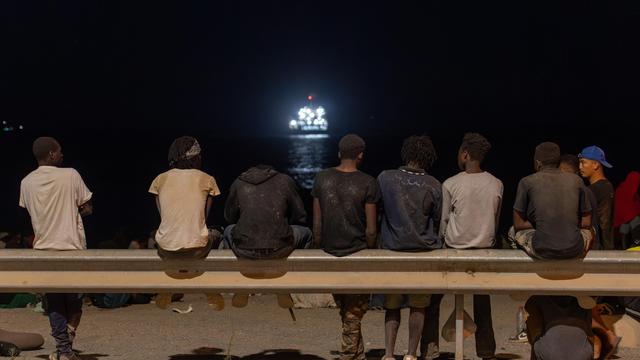
Approximately 860 unaccompanied minors are currently in Ceuta, according to local authorities. These children represent a significant portion of the migrants who have managed to avoid deportation. The situation highlights the ongoing challenges of managing irregular migration, particularly concerning vulnerable populations. The presence of such a large number of unaccompanied minors raises concerns about their welfare, access to essential services, and long-term integration prospects. Ceuta, a Spanish enclave in North Africa, serves as a frequent entry point for migrants attempting to reach Europe. The influx of these minors places considerable strain on the resources of the city and the Spanish government. Efforts to process their cases and provide adequate care are ongoing, but the scale of the issue presents a substantial humanitarian and logistical challenge. The specific circumstances leading to their arrival and the support systems available to them are critical factors in addressing this complex situation.
The situation in Ceuta underscores the complex dynamics of international migration, particularly the vulnerability of unaccompanied minors. The significant number of these children highlights systemic issues in originating countries and transit routes, prompting a review of international cooperation frameworks for child protection and asylum. Future policy considerations should focus on improving early-warning systems, enhancing repatriation processes that prioritize child welfare, and addressing root causes of migration to mitigate such humanitarian challenges. The event also points to the strain on border cities and the need for equitable burden-sharing among nations.
AI-generated to prompt reflection — not editorial opinion, not advice, not a statement of fact. How this works.
