Hungarian Chess Grandmaster Judit Polgár Declines Presidential Nomination
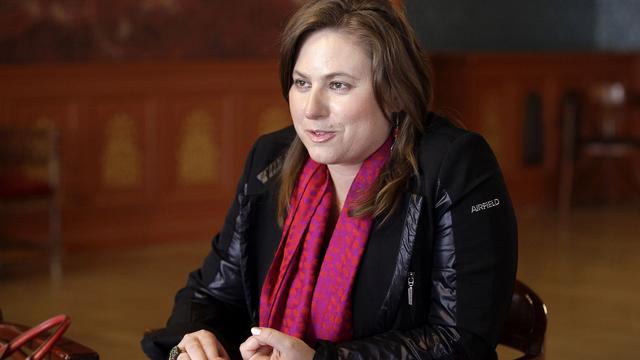
The Hungarian government intended to nominate chess grandmaster Judit Polgár for the country's highest state office. However, Polgár has stated that she does not believe she is capable of uniting the nation. The government's proposal aimed to place the renowned chess player in the presidential role. Despite the honor of being considered for such a significant position, Polgár has publicly withdrawn her potential candidacy. Her decision stems from a personal assessment of her ability to fulfill the unifying aspects required of the presidency. This development signifies a rejection of the government's specific nomination, rather than a broader political statement.
The Hungarian government's consideration of Judit Polgár for president highlights a potential strategy to leverage the public's admiration for a respected national figure in a political capacity. Polgár's refusal, citing her inability to unite the country, suggests a recognition of the distinct skill sets required for national leadership versus individual excellence in a specialized field. This scenario underscores the challenges governments face in identifying candidates who possess both broad public appeal and the specific competencies needed for unifying diverse political factions. The decision also points to the evolving nature of political nominations, where personal suitability and perceived unifying potential are critical factors, even for individuals with strong public profiles.
AI-generated to prompt reflection — not editorial opinion, not advice, not a statement of fact. How this works.