Hungarian farm workers decline, Asian labor blocked, Ukrainians remain key
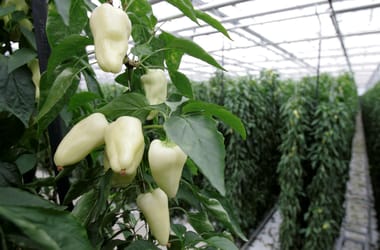
Approximately half of Hungarians who initially applied for seasonal agricultural work have withdrawn their applications, according to a labor recruitment company. Concurrently, the prospect of hiring workers from Asia has been ruled out, leaving a significant labor shortage in the sector. As a result, Ukrainian workers are expected to continue filling essential roles on Hungarian farms. This situation highlights a growing challenge in securing sufficient domestic labor for agricultural tasks, compounded by international recruitment difficulties. The reliance on Ukrainian workers underscores the ongoing need for adaptable labor solutions in Hungary's agricultural industry. The labor market dynamics indicate a complex interplay between domestic workforce availability, international relations, and the specific demands of seasonal agricultural employment.
The agricultural sector's reliance on foreign labor, particularly from Ukraine, suggests a potential vulnerability to geopolitical shifts and international relations. The decline in domestic applications for seasonal work may reflect broader societal trends regarding manual labor or economic incentives. The inability to source labor from Asia indicates potential policy or logistical barriers. Moving forward, Hungary's agricultural industry may need to explore strategies for enhancing domestic worker engagement, diversifying international labor sources, or investing in automation to mitigate future workforce uncertainties and ensure food security.
AI-generated to prompt reflection — not editorial opinion, not advice, not a statement of fact. How this works.