Hungarian Finance Minister: Billions Lost from Budget Under Orbán Government
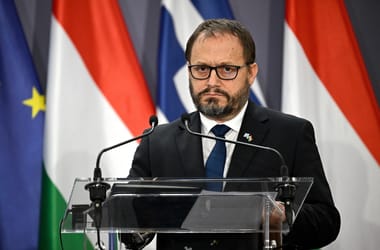
Hungary's Finance Minister, András Kármán, stated that significant amounts of money, on the order of trillions of forints, were lost from the state budget during the Orbán government's tenure. He indicated that the National Office for Asset Recovery and Protection will have a substantial workload ahead of it. This suggests a focus on investigating and reclaiming funds that were allegedly mismanaged or misappropriated. The minister's remarks imply a commitment to addressing financial irregularities and strengthening oversight of public funds. The newly established or empowered office is expected to play a crucial role in this process. The scale of the alleged losses highlights potential systemic issues in financial management and accountability within the government. Further details regarding the specific areas of loss or the methods of misappropriation were not provided in the initial statement. However, the announcement signals a new direction for financial governance in Hungary.
The statement by Finance Minister András Kármán points to a potential systemic challenge in fiscal management during the previous administration. The assertion of trillions of forints lost from the budget suggests a need for robust institutional mechanisms to ensure accountability and transparency in public spending. The establishment or empowerment of an asset recovery office indicates a strategic response to address financial irregularities. This move could foster greater public trust by demonstrating a commitment to safeguarding state resources. However, the effectiveness of such an office will depend on its independence, resources, and the legal framework supporting its operations. The long-term implications involve strengthening governance structures to prevent future fiscal mismanagement and ensure sustainable economic practices in alignment with evolving global financial standards and the increasing demands of the digital economy.
AI-generated to prompt reflection — not editorial opinion, not advice, not a statement of fact. How this works.