Hungarian Forint Reaches Two-Week High as Oil and Gas Prices Decline
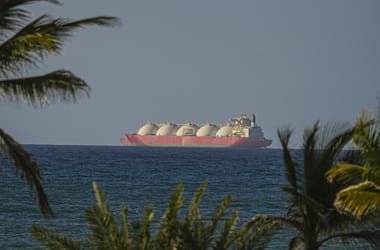
The Hungarian forint has experienced a significant appreciation, reaching a two-week high against major currencies. This positive development for the Hungarian economy is attributed to a notable decrease in the prices of oil and gas on the global market. Encouraging news emerging from Iran appears to be a contributing factor to this downward trend in energy prices. The falling cost of oil and gas typically benefits import-dependent economies like Hungary, as it reduces inflationary pressures and can improve the trade balance. The forint's strengthening suggests increased investor confidence, potentially influenced by the improved energy outlook and broader economic sentiment.
The strengthening of the Hungarian forint, linked to declining global oil and gas prices and positive signals from Iran, highlights the sensitivity of emerging market currencies to commodity price fluctuations and geopolitical developments. This economic shift presents a dual opportunity: it could alleviate inflationary pressures, thereby supporting consumer purchasing power and potentially enabling more accommodative monetary policy. Conversely, sustained low energy prices might also reflect broader global demand concerns, which could pose headwinds for export-oriented economies. Investors and policymakers will likely monitor the sustainability of these energy price trends and the geopolitical stability in energy-producing regions to gauge the forint's future trajectory and its impact on Hungary's economic performance over the next decade.
AI-generated to prompt reflection — not editorial opinion, not advice, not a statement of fact. How this works.